
An invitation to do something useful
A state park usually asks visitors to follow the trail, leave the plants alone and carry their litter out. This Saturday, some parks are inviting families to do something more hands-on. Texas Parks and Wildlife announced its Family Volunteer Day for November 21, 2026, with participating parks providing materials and guidance for age-appropriate projects. It sounds simple, but that is part of its appeal: an outdoor trip where the lasting memory may be the work completed together rather than the distance walked. The program also offers a way to introduce children to conservation without turning the outing into a lecture. Instead of looking at a park as a finished attraction, participants can see a little of the effort that keeps it accessible.
What is actually confirmed
The state’s November 16 news release establishes the date, participating-park approach and one useful admission detail. Park entry fees are waived for families registered for the event. That does not mean anyone arriving at any Texas state park on Saturday receives free admission. Participation is tied to the program, and individual park activities may have different meeting instructions, space limits and age guidance. The announcement says that participating parks will provide supplies and guidance. Before treating that as an all-inclusive guarantee, check the exact park’s event page for what to bring and whether advance registration is required. The distinction is important for families making a long drive to a site where space may already be filled.
Start with a park close enough to enjoy
There is no need to choose the farthest possible destination to make volunteer service meaningful. A park near home may be a better option, especially with young children or a busy Saturday. Texas Parks and Wildlife’s calendar includes participating events at places such as Dinosaur Valley State Park, Goose Island State Park and Lake Casa Blanca State Park. Those examples demonstrate how widely the program reaches, but each has its own arrangements. Compare the park’s current calendar listing with the statewide announcement, and resist assuming one location’s project is offered everywhere. A family in Laredo has different practical options from a family in the Dallas–Fort Worth region, and the event should be planned accordingly.
Why children remember real work
A child who helps collect litter, care for a trail or improve a visitor area sees a different side of outdoor recreation. The activity becomes less abstract than a classroom conversation about environmental responsibility. That does not mean every task is safe for every age. Park staff may set boundaries around tools, terrain or the work area, and adults should take those instructions seriously. Let younger participants concentrate on a task they can actually complete rather than bringing them along while adults handle everything. A short session where a child feels useful may be more memorable than several hours of frustrated waiting. The goal is shared stewardship, not a competition over how much work a family can finish.
The practical registration question
Use the official Texas Parks and Wildlife news release as the starting point, then open the specific calendar listing for the park you want to visit. Look for a registration link, contact information, meeting time, project description and any notice about limited capacity. If the event says registration is necessary, do it before departing and retain your confirmation. Do not assume that a park’s ordinary reservation for day use is identical to registration for volunteer service. Likewise, a campsite booking does not automatically establish a place in the volunteer program. These may be separate processes. A quick phone call or email to park staff is reasonable when the listing leaves an important detail unclear.
Bring comfort, not a mountain of equipment
The department says participating parks will provide supplies and guidance, which makes these events more approachable than an independent cleanup project. Families should still dress for outdoor work. Closed-toe shoes, comfortable clothes that can get dirty, drinking water, sunscreen and weather-appropriate layers are sensible starting points. Individual parks may request gloves or particular clothing. Avoid bringing personal tools unless organizers explicitly ask for them, and do not let children handle unfamiliar equipment without permission. A hat and spare change of clothes can make the drive home easier. The best preparation is enough to participate comfortably while following the staff’s actual instructions, not an elaborate shopping trip.
A conservation lesson without pretending
It is tempting to describe a volunteer day as saving an entire landscape. That would overstate what a few hours of work can accomplish. Parks are complex places managed by professional teams over many years. What a family can do is contribute to a defined project, learn why the task matters and leave with a better understanding of the land’s needs. A restored picnic area or improved section of trail may not look dramatic in a social-media photograph, but small maintenance projects help make public spaces sustainable. Ask a ranger what problem the task addresses. The answer can be more interesting than any generic claim about ‘giving back’ because it comes from actual local conditions.
Consider who else is using the park
A volunteer activity happens inside a public recreation space. Hikers, campers and visitors who are not participating may be nearby, so work areas need clear boundaries. Follow staff guidance about where to park, where to assemble and which routes remain open. Do not wander beyond the assigned area to collect an item simply because it looks useful. Some natural objects are habitat, not trash. Others may present hazards that require trained personnel. Families should also respect wildlife, avoid collecting plants or rocks and keep noise considerate. A successful event leaves the park in better condition without creating new impacts. That is part of the lesson participants can take home.
What counts as a good Saturday
The best volunteer day does not have to fill the calendar from breakfast until dark. If a task finishes early, families may have time for a picnic or a short walk, subject to the park’s entry and reservation arrangements. But additional recreation should remain a flexible possibility rather than an assumption that every trail and facility will be available. Some participating sites have their own alerts or seasonal closures. Check the park page close to departure, and plan around sunset and the forecast. When traveling with children, a modest outing that ends while everyone is still comfortable can do more to encourage another park visit than a long schedule that leaves the group exhausted.
A statewide story with local meaning
Texas is large enough that outdoor opportunities can feel concentrated in a few famous destinations. A statewide volunteer program creates a different editorial opportunity: identify individual participating parks in East, Central, South, North and West Texas, then tell readers what the local project actually involves. That reporting is more useful than calling every event the same. A coastal park may face different management challenges from a Panhandle landscape or a heavily used metro-adjacent trail. We should also avoid claiming statewide participation means every region has the same number of openings. The official calendar is the source for current availability, and each local listing deserves a separate check.
How to make the day meaningful afterward
Once a family finishes, the experience can continue in small ways. Children might recognize why staying on designated trails matters, why litter is difficult to remove from natural areas or why public parks need both staff and volunteers. They may want to return to see the area they helped maintain. A short conversation about what surprised them is often more valuable than a long speech. If the park offers ongoing volunteer opportunities, ask where those are listed; do not assume Saturday’s event establishes a recurring commitment. Bringing a community-service attitude to ordinary park visits is a lasting result even for families that participate just once.
Before leaving home
Check the exact event date and meeting details through Texas Parks and Wildlife, confirm your family’s registration, read the park alerts and choose comfortable clothing. Ask about age requirements or accessibility if those details matter to your group. The statewide announcement establishes the opportunity, but the park-level listing determines the actual experience. Arrive ready to follow directions, help with the assigned task and enjoy the setting without overpromising what the day will accomplish. Texas State Parks Family Volunteer Day is worth covering because it invites people to be part of the outdoor places they already value, rather than simply another audience passing through.
Official source: Read the current event information. Confirm any changes before attending.
Explore more at Thunderfoot Events & Festivals.
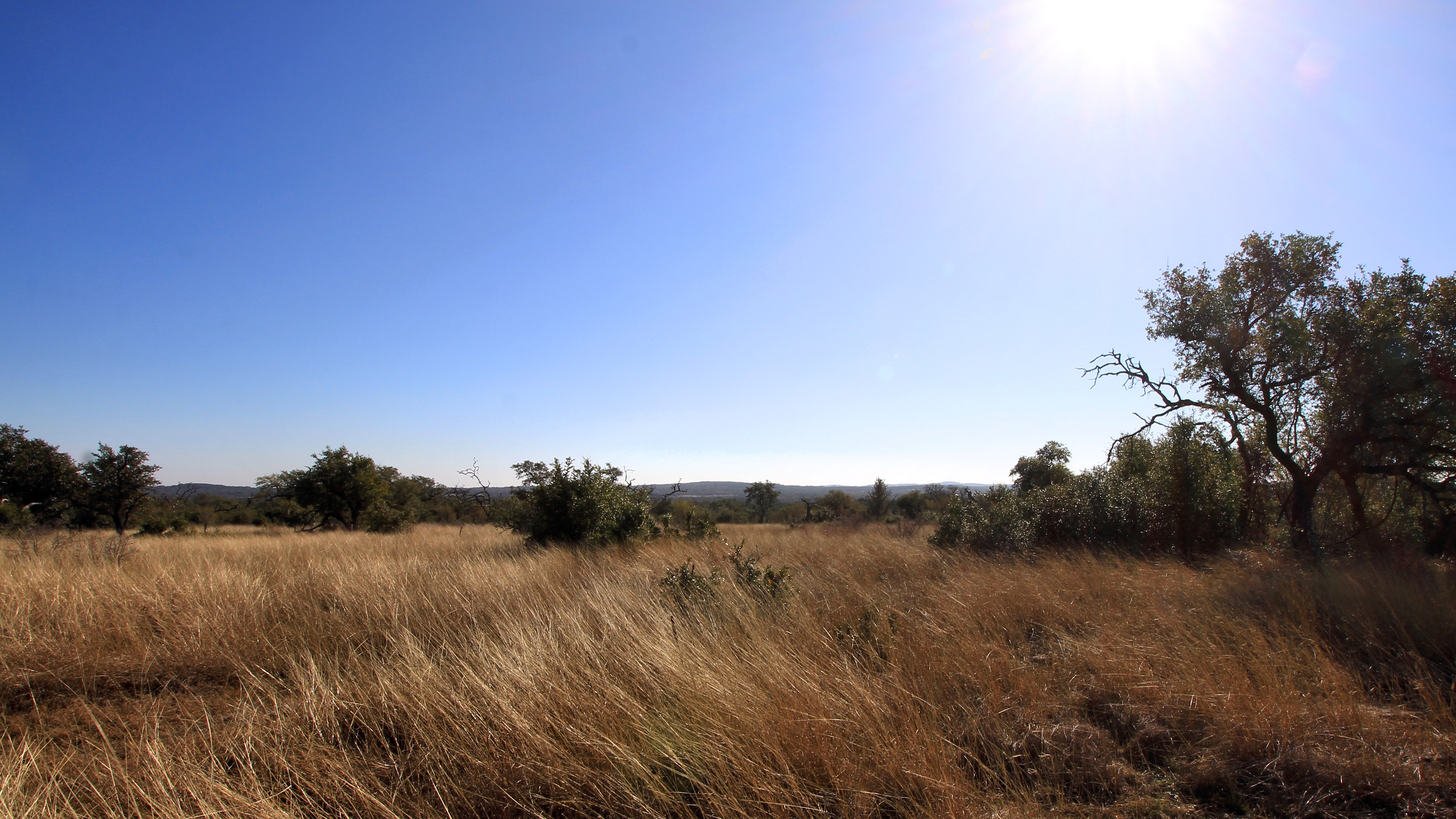
Photo: Larry D. Moore, CC BY 4.0, archival scene at Guadalupe River State Park. https://commons.wikimedia.org/wiki/File:View_Guadalupe_River_State_Park_Texas_2023.jpg
