
Not every useful round takes an afternoon
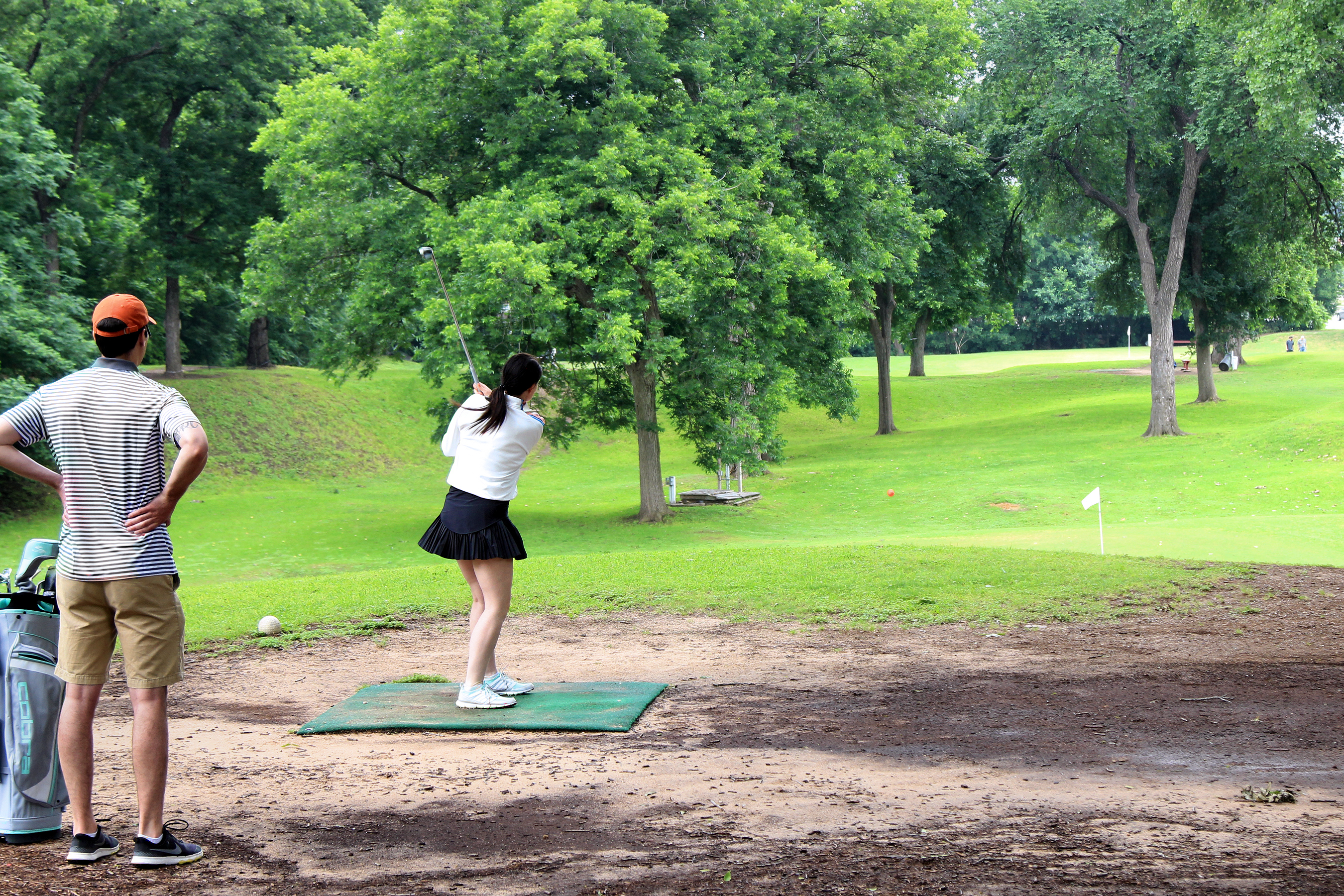
The most revealing golf round can be the one that leaves you enough time to think about every shot. Around Austin, short-course golf offers an alternative to a full eighteen-hole commitment, and a place such as Butler Park Pitch and Putt illustrates the appeal. Instead of measuring a day by how many yards were covered, players can concentrate on approach distances, putting and decisions around a green. For a new golfer, that is less intimidating than a long championship layout. For an experienced player, it can expose weaknesses that are hidden when distance dominates the conversation. The course experience is worth considering as a form of recreation in its own right, not merely a training substitute for a conventional round.
The short game is a complete challenge
A golfer who hits long drives may still struggle to get the ball close to the hole from fifty yards. Shorter layouts compress that reality into repeated decisions. Where should the ball land? How much will it roll? Is the safer target the center of the green rather than a difficult flag? The answers are sensitive to slope, firmness and confidence. When the longest part of a round is no longer the headline, the player’s touch becomes the story. That makes a short course an excellent place to learn about distance control. It also makes competition fun among friends with different power levels because everyone faces similar approach and putting challenges.
Why this matters in a busy metro
Austin residents juggle traffic, work, school activities and often crowded recreational schedules. A shorter outing can fit where a full eighteen-hole round would not. That does not guarantee a course will have open tee times or that a visit will be quick. Popular facilities can have waits, changing hours and event restrictions. But it changes the question from finding a free half-day to finding an approachable window for outdoor play. Families can consider the outing alongside other activities instead of turning it into the entire day’s itinerary. To make that work, check a course’s current operating policies before leaving and allow enough time for parking and any check-in requirements.
A different entry point for beginners
Traditional golf can look complicated from the outside. Beginners may worry about keeping pace, knowing every rule or frustrating experienced players behind them. A short course does not remove the need for etiquette, but it can reduce the physical and logistical demands of trying the game. A basic conversation about safety, pace and where to stand when someone swings can make a first outing much more comfortable. Instructors and experienced friends should encourage realistic expectations: the first session is for learning contact and having fun, not posting a perfect score. If a venue rents clubs or has age-specific rules, confirm those policies directly before planning around them.
The best practice has a question
Going to a short course without a plan can still be enjoyable, but a simple question makes the exercise more instructive. Can you land a short approach within a sensible target area? Can you leave the first putt close enough for a stress-free second? Can you choose a club based on the actual carry distance rather than habit? Track one skill at a time. Too many swing thoughts make it difficult to understand what changed between shots. A nine-hole session might focus on judging distance, another on reading slopes. The goal is to create evidence about your game instead of collecting random swing adjustments that disappear before the next outing.
Equipment need not become the barrier
A beginner does not need an enormous bag of new equipment to learn basic golf skills. The exact clubs appropriate for a short course depend on its layout and rules, but a few suitable clubs and a putter may cover much of the experience. Check the facility’s policies before assuming a reduced set is allowed or rentals are available. Shoes should offer enough stability for the surface without damaging greens. Bring water and sun protection, because an accessible course is still an outdoor environment. Buying expensive equipment before learning what feels comfortable is rarely the most useful first move. Time spent making thoughtful swings provides more information than a shopping list.
Pace belongs to everyone
A friendly round depends on players respecting the course and the groups around them. Be ready to play when it is your turn, repair damage where appropriate and keep carts or bags away from sensitive areas. Ask before playing multiple practice balls, particularly when a facility is busy. Beginners should feel welcome to learn, but also understand that golf etiquette is partly about sharing limited space. A short course can be relaxed without becoming chaotic. If someone in the group is new, explain basic safety before the first shot rather than correcting every mistake afterward. People tend to enjoy the experience more when expectations are clear and nobody feels rushed or embarrassed.
Golf can be social without losing focus
A pitch-and-putt round can be a useful outing for friends, parents with older children or coworkers who do not want the structure of a full tournament. The shared experience is accessible to different levels of ability, but skill differences still deserve consideration. Playing as a group is more enjoyable when everyone agrees whether the purpose is practice, friendly competition or a relaxed walk. A confident golfer need not turn every hole into a lesson. A newcomer may enjoy discovering one good shot without receiving five technical corrections. The smaller format makes those conversations easier because the next opportunity to try again arrives quickly. Golf should feel like time well spent outside.
Central Texas conditions shape shots
Golf in Central Texas involves its own seasonal variables. Dry stretches can make surfaces firmer, while rain may soften landing areas and change how a ball rolls. Wind can complicate even a short shot. A person accustomed to indoor practice may be surprised by how much a small change in conditions matters. Check the forecast and any course notices, especially if a cold front or rain is expected. Rather than treating conditions as an excuse for poor scores, use them as part of the lesson. A good player learns to adapt club choice and landing target to the course in front of them, not the perfectly calm version imagined on the drive over.
A scorecard should tell you something
Instead of recording only the total, keep a few simple notes about why strokes were lost. Were approach shots consistently long? Were putts left short because the player misread the green or struck the ball too gently? Did an ambitious target create trouble when the center of the green was available? These are manageable observations. Do not turn a casual round into an exhausting statistical project, particularly if the group wants a social experience. One useful pattern is enough to guide the next practice session. Over several outings, players may discover that improvement comes not from a radically different swing but from better decisions about distance and risk.
The course is also part of the city
Austin’s recreational identity is not limited to major sporting events and large venues. Smaller facilities help make everyday outdoor activity accessible. A short golf course can be a meeting place, a learning environment and a way to spend an hour or two away from screens. That local role deserves more coverage than a rankings article that declares one course the best without examining what people want from it. Butler Park offers a recognizable example, but readers should compare current course access, hours and policies before deciding where to play. Different players will prefer different settings. The most appropriate facility is often the one matching your time, confidence and goal.
A round worth repeating
The next time golf feels like too much of a commitment, consider a shorter outing. Choose a specific skill to watch, bring equipment you know and make a realistic plan for arrival. If playing with someone new, focus on making the experience welcoming. If you are more experienced, use the short format to expose the habits that can improve a full round. Confirm operational details directly with the venue and browse Thunderfoot’s golf coverage for more Central Texas options. The lasting benefit is not that nine holes somehow replace eighteen. It is that the game becomes easier to practice, easier to share and easier to make part of a normal week.
Official resource: Visit the official information page. Conditions, availability and regulations can change.
Explore related Thunderfoot tools: Texas Beach Conditions and Outdoor Adventures.
Photo: Butler Park Pitch and Putt, Austin photo by Larry D. Moore, CC BY 4.0 via https://commons.wikimedia.org/wiki/File:Tee_No_1_Butler_Park_Pitch_and_Putt_Golf_Course_Austin.jpg
