
The remote is on the sofa, the food is almost ready and somebody has just announced that the other game is getting interesting. This is the moment an NFL watch party becomes a negotiation. One person wants every Cowboys snap. Another came for the Texans. A third follows a player on a team nobody mentioned when the invitation went out.
The problem usually starts before kickoff. The invitation promises football without saying what kind of football afternoon the host actually intends to have. A better Sunday begins with a simple agreement about the main screen, then leaves enough flexibility for the game to become the reason people stay.
For Sunday, November 8, use the Cowboys’ official schedule and Texans’ official schedule for the current opponent, kickoff, network and venue. Our Pro Sports hub connects that information to the wider Texas sports picture. This is a guide to watching together, with enough football detail to keep the afternoon from becoming a background soundtrack.
Decide what the big screen is for
A dedicated team watch and an all-league afternoon are different invitations. State the primary game before guests leave home. If the television will stay with Dallas through every possession, say so. If Houston is the fixed appointment, make that clear. People can bring another device or choose when to arrive without having to negotiate in the living room.
Two screens help only when they solve a real conflict. A second television pointed away from the main seating can create a separate conversation and a room full of people turning their heads. A tablet in a quiet corner might work better for the one guest following another game. Keep its volume low enough that the main broadcast remains understandable.
Test the actual viewing service before Sunday. A channel name on a schedule does not guarantee that the account, device and location can receive it. Sign in, check the relevant app and confirm the television can play a live feed. Discovering an expired password during the opening drive is a remarkably reliable way to make ten adults stare at one phone.
If guests include people who need captions, turn them on before everyone sits down and make sure the bottom of the picture remains visible. Stadium noise and a busy kitchen can make commentary difficult to follow. A little preparation helps more people stay in the same conversation.
Watch what happens before the quarterback throws
A good shared viewing question gives casual fans something to see and committed fans something to discuss. On the first passing series, follow the running back. Does he leave immediately as a receiver, check for a rusher first or remain in protection? His job changes how many targets the quarterback has and how the pocket holds together.
Then watch where pressure appears. An edge defender can force a quarterback to move, but interior pressure can remove the space he wanted to move into. The sack total captures only one outcome. A hurried throw, a shortened route or an abandoned deep opportunity can show the same underlying problem.
You do not need to guess the exact play call. Describe what is visible. Saying that a back stayed in and the quarterback still had immediate pressure is useful. Declaring that somebody ignored an assignment requires information most viewers do not have. The first observation starts a conversation; the second often turns into a confident argument with no evidence.
Choose one possession to follow closely, then let the room enjoy the rest. A watch party should not feel like an examination. One small question can change what people notice without requiring anybody to become a film analyst.
The possession after a turnover
A turnover changes field position and mood at once. The next offense may be tempted to attack immediately, while the defense tries to prevent the sudden change from becoming points. Watch the first play, but stay with the whole series. A dramatic deep attempt tells only part of the story if the offense cannot create a manageable third down afterward.
The starting position matters. Taking over near midfield is a different opportunity from taking over close to your own goal line. When a team scores after a takeaway, note how much field the offense actually had to cover. That adds context without diminishing the score.
The same approach works after a long punt return. Ask whether the offense uses the favorable position or gives it back through a penalty, negative play or sack. Good teams still have empty possessions. What becomes interesting is whether the same self-inflicted difficulty keeps returning.
At halftime, let everybody choose one specific adjustment to watch. Faster throws against pressure, a different running direction or better first-down gains are all things viewers can recognize. Avoid turning the discussion into a verdict about effort or character. You can see a protection change. You cannot see a player’s private motivation.
Host the breaks, not every minute
Set out the food in stages that do not require the cook to miss every important possession. A main dish that can be served safely in small batches is easier than one that demands individual attention whenever another guest arrives. Put plates and napkins where they do not block the route between the kitchen and the screen.
Make the beverage station equally simple. Water and alcohol-free choices should be as easy to find as beer. Put a towel beside the ice and a clear place for empty cans. These are tiny details until somebody sets a dripping bottle on the remote or misses a third-down stop while asking where the cups are.
Keep food handling tied to temperature and time rather than halftime. The USDA’s leftover guidance says to refrigerate perishables within two hours, or within one hour when the surrounding temperature is above 90°F. Use shallow containers for prompt cooling. A football game is not a safe holding timer.
If your party moves onto the patio, test glare and sound at the hour you will actually watch. An outdoor television can look excellent at dusk and nearly unreadable earlier in the afternoon. Move a chair before rearranging an entire gathering. Our Outdoor Spaces coverage has more ideas for making the yard comfortable enough that guests choose to stay outside.
Know when a stadium guide belongs in the plan
A watch party and a stadium visit need different preparation. If the group decides to attend a future home game, use our AT&T Stadium guide or Houston Texans stadium guide to orient the trip. Confirm the current stadium name, ticket terms, parking and event instructions with the team.
Do not assume that a home-team guide describes an away game’s venue. Read the location on the official schedule first. A familiar matchup can make people overlook which city actually hosts it, particularly when a group message begins with a screenshot cropped above the venue line.
For friends staying home, send a precise arrival window and the viewing plan through Go With Friends. Include the primary game and whether food will be a meal or snacks. That saves the host from answering the same practical question while trying to finish cooking.
When the afternoon ends, the best measure is simple: did people get to watch what they came for, and did the host get to sit down? A clear main-screen agreement, one interesting football question and food that does not demand constant rescue go a long way. Leave the remote in the open. With the argument already settled, it can finally be just a remote.
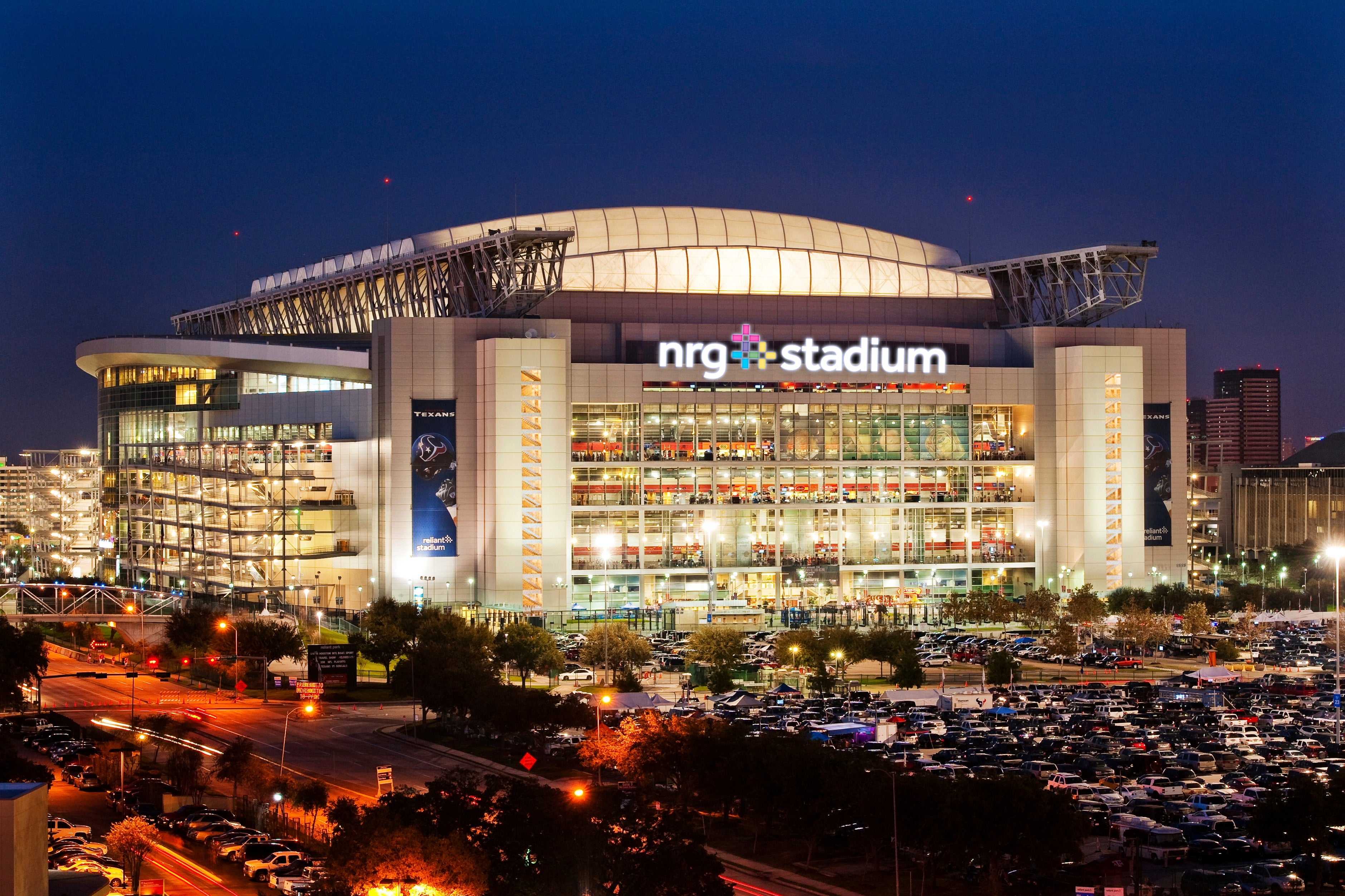
Feature photograph: an archival exterior view of Houston’s NFL stadium, not a photograph of a November 8 game.