
The host has watched every replay from a doorway. The first plate went out an hour ago, somebody new has arrived and the grill is being lit again because nobody agreed on when the meal was supposed to happen. Somewhere behind the smoke, a football game is having an excellent afternoon.
A long Texas game day does not need a continuous stream of freshly cooked food. It needs a small number of clear serving moments and a yard arranged so the host can stop working. Think in two waves: one actual meal and one later refresh. The second can be simpler than the first without feeling like an afterthought.
This approach suits a Saturday college-football gathering or a Sunday NFL watch. Check the actual game schedule before choosing the serving times. Then let the kitchen plan support the afternoon instead of requiring the football to cooperate.
The first wave is a meal, not a grazing experiment
Choose one main item you know how to cook reliably on your own equipment. A familiar preparation is more useful than a new recipe requiring constant judgment while guests arrive. Make side dishes and toppings that can be portioned and served without sending everyone through the cook’s workspace.
Set a meal window in the invitation. Guests do not need an exact minute, but they should know whether arriving later means eating the main meal or joining for snacks. That saves the host from holding an entire buffet open indefinitely for people who never intended to eat it.
Arrange plates and utensils before the food. Put the first item people need at the beginning of the serving route and the last item at the end. A small table can work perfectly well when guests are not reaching backward across hot dishes to find a fork.
Keep raw-food equipment separate from ready-to-eat food. Use a food thermometer and the FDA’s safe-temperature chart for the food you actually cook. Color, grill marks and elapsed time are not reliable substitutes for the appropriate internal temperature.
The second wave should not restart the whole cook
Plan the later food before shopping. It can be a small fresh batch, a different simple snack or properly refrigerated leftovers reheated safely. What it should not be is the original meal sitting at room temperature until somebody decides to eat again.
The USDA’s leftover guidance says to refrigerate food promptly and never leave perishables out for more than two hours, or one hour when the outside temperature is above 90°F. Divide leftovers into shallow containers for cooling. Use actual elapsed time, not a game’s halftime, as the reference.
When reheating leftovers, follow USDA guidance, including reheating to 165°F. Keep a thermometer available rather than putting it away after the first cooking session. The second serving deserves the same attention as the first.
Serve a manageable quantity and replenish as appropriate. A smaller tray can be easier to keep under control than a large display intended to look abundant for several hours. People remember good food and a relaxed host more readily than the size of the first platter.
Give the grill its own working space
Before lighting anything, walk the path guests will take from the house to the seating. Keep it out of the cooking zone. A person carrying a plate should not need to pass between the cook and hot equipment, and children should not have to cross that space to reach drinks.
Use the appliance outdoors exactly as its manufacturer directs, with the required clearance. Do not improvise an enclosed cooking location because the weather changes. If the outdoor setup stops working for the day, switch the menu or move the gathering rather than forcing the original plan.
Put the tools, clean serving dishes and a landing surface within reach before cooking begins. The small missing items cause repeated trips indoors. A clean tray for finished food is not optional, and the tray that carried raw food should not quietly return to service without proper cleaning.
Our Outdoor Kitchens and BBQs coverage can help frame the layout. Start with movement and working space before considering another appliance. A useful outdoor kitchen is one that lets the cook finish the job without directing traffic all afternoon.
Make the drink station worth visiting
A drink station should offer more than a cooler full of whatever was easiest to buy. Put cold water and appealing alcohol-free choices where guests can see them. Keep cups, ice and a towel nearby so a simple drink does not become another request sent to the host.
For a craft-beer selection, choose a small range with a reason behind it. A lighter option, a more assertive one and a nonalcoholic alternative can make the choice understandable without turning the table into a tasting competition. Let guests choose; nobody needs to work through every container.
Our Texas Craft Drink Trails for East, Central, North, South and West Texas can help you discover local makers. Confirm current availability with the producer or retailer rather than assuming a venue listing establishes take-home stock.
Set aside a place for empties away from the food. Keep glass out of the pool area and make the household’s transport arrangements clear for guests who drink. These details work best when they are ordinary parts of the setup, not a conversation somebody has to initiate late in the evening.
A pool changes the hosting job even when swimming is not planned
An open pool remains part of the gathering’s layout. Keep access controls and barriers in use according to the household’s safety arrangements. Do not place the drink station or a children’s game where the natural route leads directly toward the water.
If swimming is allowed, establish active adult supervision separately from cooking and watching the game. The adult responsible for the water should not be expected to follow a crucial possession or answer the door at the same time. The Consumer Product Safety Commission’s Pool Safely information provides guidance on supervision and layers of protection.
If swimming is not part of the plan, say so before guests arrive and keep the area managed accordingly. A decorative poolside setting is not the same thing as a supervised swimming activity. Avoid leaving toys or games where they encourage an unplanned approach to the water.
For the equipment itself, follow the manufacturer’s operating and maintenance instructions. A party is not the moment for an improvised chemical adjustment or electrical repair. Our Pools coverage is a place to explore maintenance topics separately from the immediate responsibility of hosting.
Sit down before the important part
Test the screen from the actual chairs at the time of day the game will be watched. Move a seat if glare makes the picture difficult. Check that the volume is understandable without making the whole yard shout.
Then give yourself a definite point to stop preparing. Put the later food in its proper storage, clear the cooking zone and join the group. The Outdoor Spaces hub has more ideas, but today’s improvement may simply be a chair the host actually uses.
A successful backyard game day is not measured by how continuously the grill runs. It is measured by whether the food is good, the space works and the person who invited everyone gets to enjoy the afternoon too.
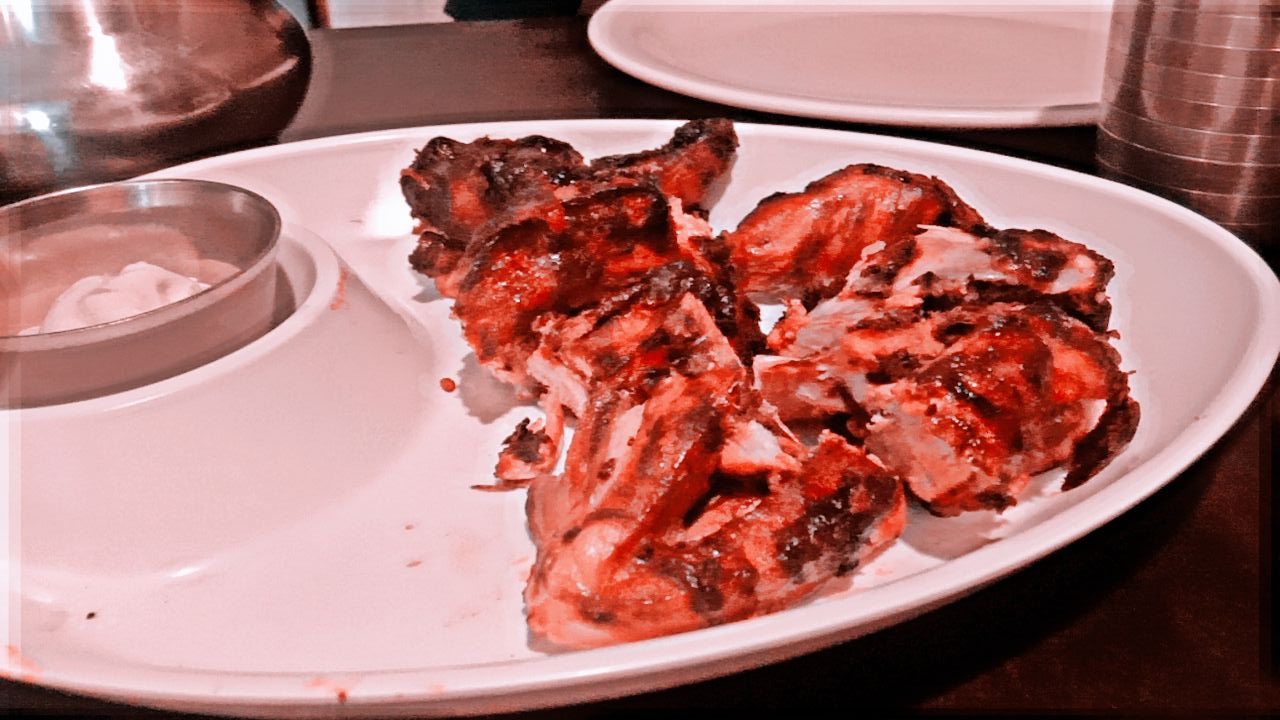
Feature photograph: archival barbecue chicken by JAYASHREESATHIYAMOORTHY, via Wikimedia Commons, released under CC0. It illustrates the food topic and is not a photograph of a Thunderfoot recipe test.