
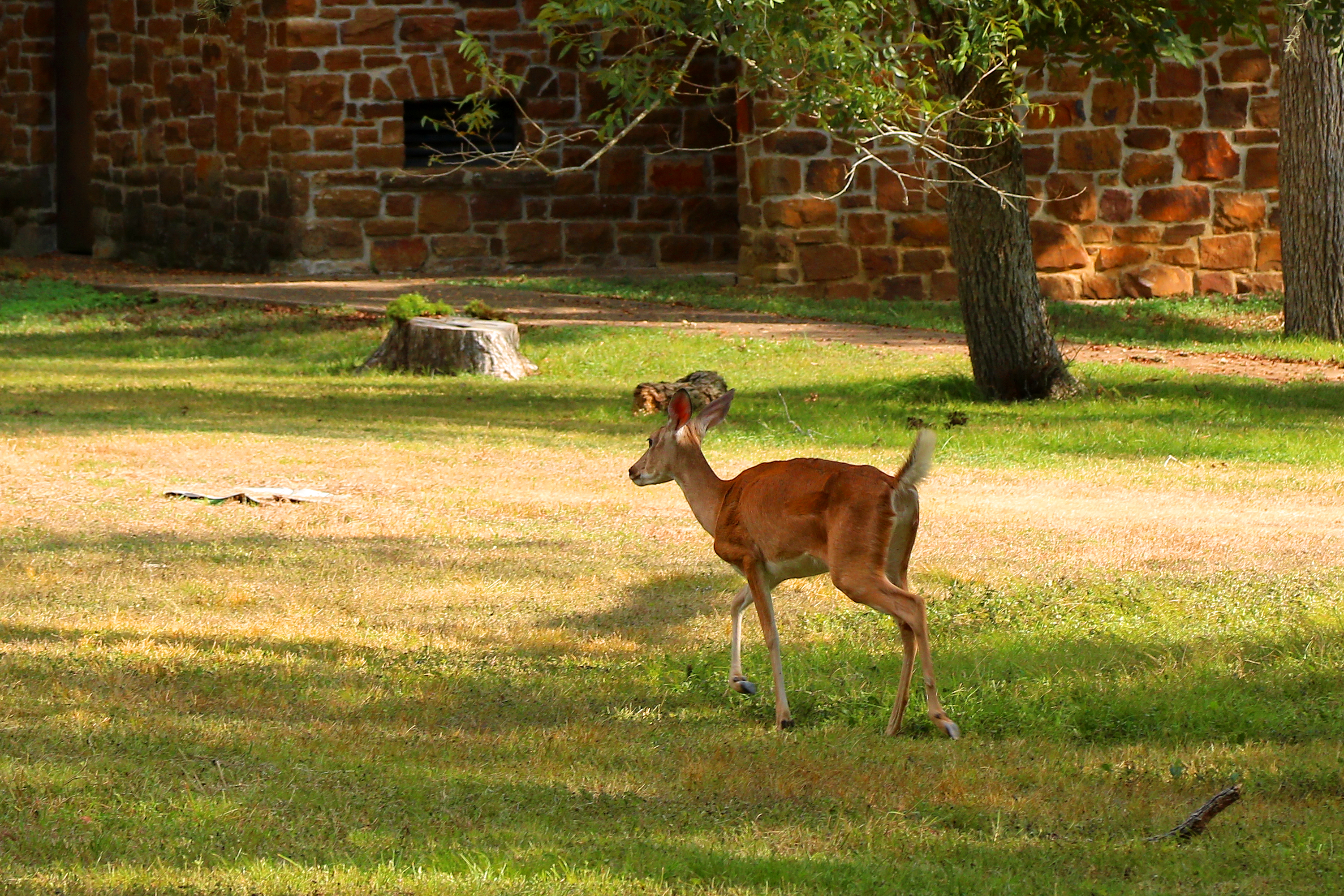
A familiar animal becomes the center of attention
Anyone who spends autumn outdoors in Texas knows that deer can transform an ordinary landscape. A movement at the forest edge becomes a white-tailed silhouette; a quiet clearing feels suddenly alive. November is also hunting season, which adds practical questions for people who want to watch wildlife, photograph it, hike or hunt legally. Texas Parks and Wildlife says the general white-tailed deer season opened November 7 in both the North and South Zones, with exact dates, county rules and special restrictions varying by location. This is a good moment to treat deer as part of a wider outdoor story rather than reduce them to harvest statistics. The best viewing experience begins with understanding the animal and respecting the place where it lives.
Texas is not one uniform deer zone
A statewide season headline can conceal meaningful differences. Texas has designated hunting zones, county-specific regulations, public land limitations and requirements that cannot be summarized safely as a single closing date for every property. The 2026–27 Texas Parks and Wildlife regulations should be the authority for legal hunting activity, tagging and harvest reporting. A visitor interested only in watching deer should still understand that lawful hunting may occur in nearby areas during this period. A designated state-park trail is not the same setting as private ranch land or a public hunting area. Respect posted boundaries and avoid assuming recreational access grants permission for hunting or wandering off trails.
The best wildlife sighting cannot be scheduled
A deer photographed on a park website does not mean visitors will see one during their next trip. Wildlife behavior changes with season, temperature, food availability, disturbance and time of day. Some animals appear briefly and disappear before a camera is ready. Patience and distance often produce better experiences than following an animal through brush. If you notice deer from a safe public viewpoint, stop quietly and observe what they are doing rather than trying to coax them closer. Their ears, posture and movement can reveal whether they feel threatened. An encounter is more meaningful when the animals continue behaving naturally instead of fleeing from a person seeking a photograph.
A park example worth understanding
Buescher State Park, near Bastrop in Central Texas, is home to white-tailed deer among other mammals, according to its official natural-history information. That makes it a useful example of how a visitor might encounter wildlife on a normal outing without booking a specialized tour. It does not establish that deer will be active on a particular trail or that every area of the park will be open. The adjacent Lost Pines landscape offers a setting where visitors can pay attention to the relationships among woodland cover, open spaces and animal movement. If you visit, stay on permitted routes, obey park notices and leave enough time to enjoy the broader natural environment.
Keep the camera at a respectful distance
Wildlife photography can feel like a contest to get closer, but proximity is not always the strongest image. A photograph that shows a deer in its habitat can tell more about its life than a tight crop of its face. Use a longer lens or phone zoom without approaching the animal, and never block its path. Avoid feeding deer to attract them, because human food and repeated close contact can alter their behavior. If an animal moves away, treat that as information that you are too close. Follow park rules on drones and other equipment. A careful photograph should document a real encounter, not create a disturbance for the sake of a more dramatic social-media post.
Hiking during hunting season
Public-land recreation in autumn requires attention to the type of property and its current use. Some areas may have organized hunts and temporary closures, while other trails remain open for ordinary recreation. Texas Parks and Wildlife’s official alerts and public-hunt calendars are the places to check rather than assuming every state park has identical rules. If hiking where hunting is legally permitted, learn the local requirements and consider visible clothing appropriate to the setting. Stay on authorized routes and do not enter closed areas, even if a favorite trail seems quiet. The Guadalupe River State Park closure later this week is a concrete reminder that organized hunting activities can affect recreational access.
What hunters and non-hunters share
A responsible hunter and a wildlife photographer approach deer with different goals, but both depend on healthy habitat and accurate knowledge of local regulations. Neither should trespass, disturb other users or leave litter. Hunters must follow applicable seasons, methods, license and tagging requirements, including any reporting obligations. Wildlife viewers should avoid interfering with legal activity or moving into restricted zones. Respectful communication can help in places where people share access roads or adjacent properties. State wildlife management involves ecological and regulatory decisions that deserve more nuance than a social-media argument. The most useful public guidance is specific about location, permits and safety, not broad claims about what all outdoor users should do.
Read the landscape rather than chase an animal
A person looking for deer can make a walk more rewarding by observing signs of habitat rather than scanning constantly for antlers. Look at the transition between open ground and tree cover, the arrangement of vegetation and the quiet places animals might use. Do not leave trails to inspect tracks in sensitive areas, and avoid approaching bedding locations. You may notice birds, squirrels or other wildlife long before a deer appears. These observations are part of the experience rather than distractions from a single goal. If a trip ends without a deer sighting, it can still be successful because the visitor learned something about the land. That mindset is particularly valuable for children new to wildlife watching.
Dawn and dusk require planning
Animals can be active when light is low, but a visitor should not turn a promising viewing hour into an unsafe return. Know the park’s opening and closing rules, and do not assume an after-dark entry is allowed. Bring a light for emergencies and plan to finish a walk in permitted hours. Roads near natural areas may also carry the risk of unexpected animal crossings, especially in low light. Drive attentively and avoid sudden maneuvers that put other motorists in danger. A safe distance from wildlife applies on the road as well as on a trail. When the outing includes children, set clear boundaries for where they can stand, photograph and walk.
Where the regulations get complicated
Texas deer rules can vary by county and include mandatory reporting in specified locations, chronic wasting disease considerations and property-specific hunting regulations. Those are not details to improvise in a lifestyle article. The state’s 2026–27 regulatory pages provide current instructions, including county lists and reporting procedures. Someone planning to hunt should check the exact county, applicable season and permit requirements before going, and contact Texas Parks and Wildlife for clarification when a rule is unclear. A general article can identify the existence of these obligations but should not substitute for the full legal text. This helps readers avoid mistaking statewide opening announcements for permission to hunt under any conditions.
The value of looking closely
White-tailed deer are familiar enough that people sometimes stop noticing them. Yet watching a wild animal move through a real landscape can encourage a deeper appreciation for seasonal changes. In East Texas the forest cover differs from the Hill Country, and the open spaces of North or West Texas create a different viewing experience. We should not promise a sighting in any region or pretend wildlife populations are identical across the state. Instead, local park natural-history pages and credible reports can help readers understand what animals occur where. Appreciating the variation is part of understanding Texas itself, not simply checking another species off a list.
Go outdoors with the right expectations
Before a November wildlife outing, check the park’s current alerts, the forecast, permitted routes and any temporary hunt restrictions. If hunting, use the official regulations for the exact property and county. If observing, bring patience and a camera but leave animals space. Do not feed them, follow them into restricted habitat or assume an archival photograph guarantees today’s conditions. Buescher State Park provides one example of a place where deer are part of the native community, but the broader lesson travels across Texas. Wildlife encounters are most memorable when people are prepared to notice rather than determined to control what happens.
Official reference: Read current government guidance.
Feature photograph: Larry D. Moore, CC BY 4.0, white-tailed deer photographed at Buescher State Park in September 2026, https://commons.wikimedia.org/wiki/File:Deer_Buescher_State_Park_Texas_2026.jpg

More from Thunderfoot: Outdoor Adventures.