
The attraction is smaller than the lake
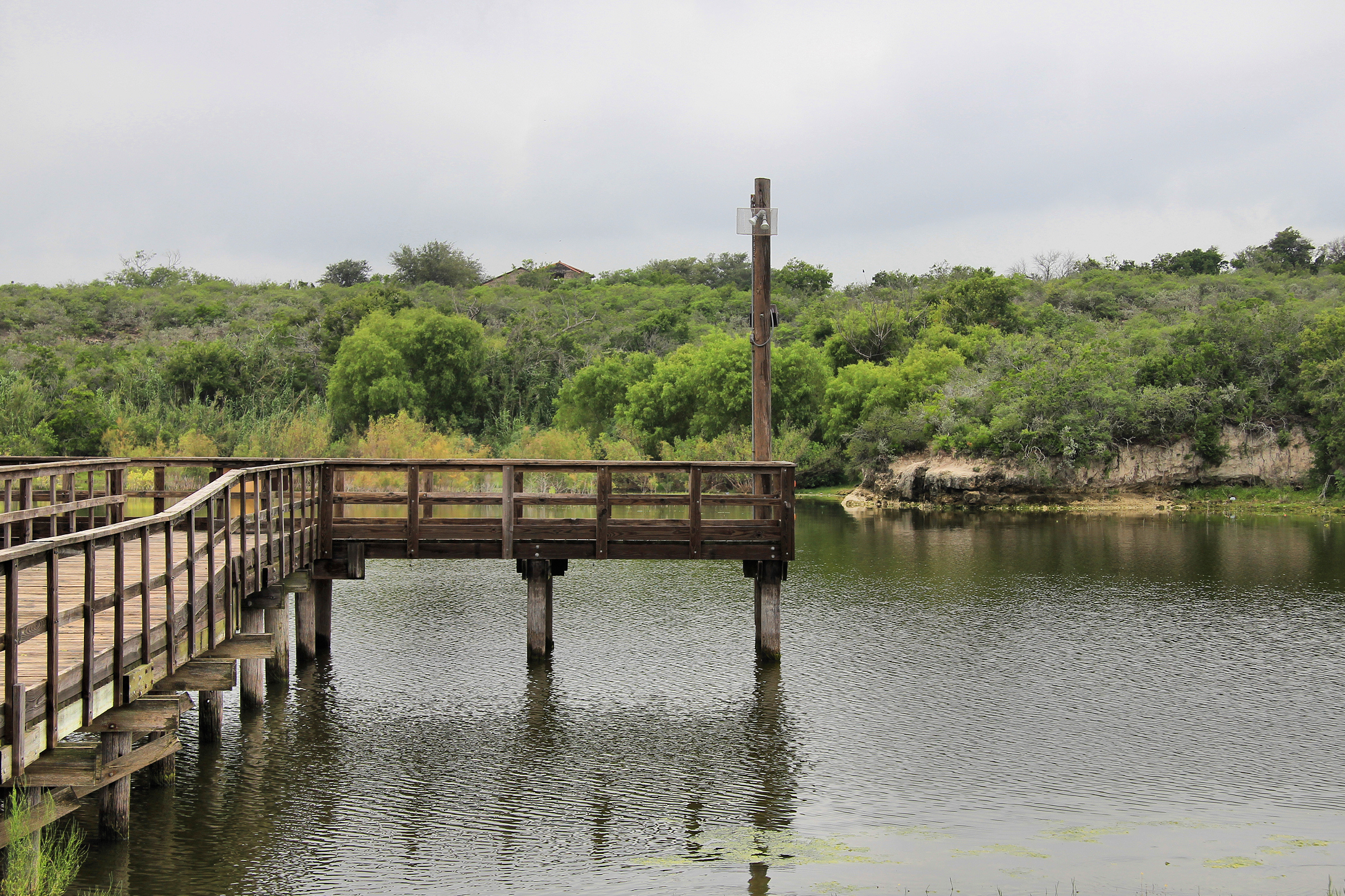
Big Texas fishing stories often begin with a boat ramp and a broad stretch of open water. Lake Corpus Christi State Park offers a different starting point: a fishing pier where someone can arrive without a boat, learn the rhythm of a lake and spend a few hours close to shore. Texas Parks and Wildlife’s lake-fishing guide describes a lighted pier that provides access to crappie and other game fish. That is a useful distinction for newcomers. A family may be more interested in a safe place to practice casting than in searching an entire reservoir for a trophy bass. The pier does not guarantee a catch, but it can remove some of the logistical challenges that keep people from trying fishing at all.
The license question has an important exception
Texas generally requires anglers to hold the appropriate fishing license and endorsements, but the state-park system has a specific exception. Texas Parks and Wildlife states that visitors do not need a fishing license to fish from shore or pier inside a Texas state park. That does not mean every public fishing pier in Texas offers the same exemption, or that anglers can take a boat onto the wider lake without considering ordinary licensing rules. Location and fishing method matter. Readers should check the current state regulations and confirm they are actually fishing within the qualifying state-park area. Size and bag limits still apply, and certain species may have additional restrictions. The exemption is a helpful entry point, not a waiver of all fishing law.
What a first-time visitor should confirm
Before packing tackle, check the park’s current hours, day-use reservation requirements and any posted access alerts. A photo of a pier cannot establish whether it is open today or whether parking is available nearby. If the family wants to stay into the evening to use a lighted fishing area, ask about park entry and access policies, rather than assuming the pier may be used at any hour. Texas Parks and Wildlife’s official park page and lake-fishing information offer the most relevant starting points. If accessibility is important, contact park staff to verify the route from parking to the pier and any current maintenance conditions. The goal is to arrive with a clear plan rather than be surprised at the gate.
The difference between a lake and a pier
A pier concentrates fishing activity in a smaller space. That can be convenient, especially for people who cannot cover long shoreline distances, but it also means that other anglers are close. Good etiquette includes giving neighbors room to cast, keeping tackle organized and watching where hooks are moving. A long cast is not always the best cast when people are standing beside one another. For children, basic practice casting on land may help before anyone reaches the railing. A small, neat tackle box and a plan for safely storing hooks are more useful than carrying every lure owned by the family. The experience is about observing water and learning patience as much as pulling in a fish.
What the lake can offer
Lake Corpus Christi supports several kinds of angling, and the state fisheries guide describes local opportunities including crappie, bass and catfish. None of those species is guaranteed to be biting during a particular visit. Conditions such as water temperature, wind, light and lake level can affect what an angler experiences. A pier that produces a memorable evening one week may be quiet the next. This uncertainty is normal, and it is part of fishing’s appeal. Beginners should focus on learning how to detect a bite, handle a rod and release or retain a fish appropriately. Experienced anglers may use the same visit to observe seasonal behavior and test a modest adjustment in presentation.
Build a simple beginner setup
A novice angler does not need an expensive collection of specialized equipment. A manageable rod and reel, suitable line, a small selection of hooks or lures, and basic tools for removing hooks are enough to begin learning. The best choice depends on the fish being targeted and on current local regulations. If the goal is crappie, ask local fisheries sources about appropriate light-tackle approaches rather than assuming a bass setup will be ideal. For children, prioritize equipment they can hold and control safely. Keep hooks covered until needed, and never leave loose tackle where someone may sit or step on it. Preparation is more about safe handling than maximizing the number of options.
A lake visit can be about watching too
The park sits within South Texas brush country, and its natural setting offers more than the water itself. A family that arrives expecting immediate fishing success may miss interesting birds, changing clouds or the view from shore. Use the time to point out how wind moves across the surface and how different parts of the bank provide shelter. A quiet moment observing wildlife can make the outing worthwhile even if no fish is caught. Avoid approaching animals for photographs or feeding wildlife. The park’s trails and other activities may provide alternatives when fishing conditions are poor, although visitors should confirm current availability and avoid making assumptions from old park brochures.
The safety difference near water
Even a fixed pier deserves careful supervision. Children should stay within reach of a responsible adult, especially when moving around other anglers and tackle. Consider life jackets for children or anyone who may be at higher risk around water, following the applicable safety guidance. A wet surface can be slippery, and a large fish or tangled line can tempt someone to lean too far over the railing. Keep bags and chairs clear of walking areas. If storms approach, leave exposed water areas promptly. Lightning is a serious hazard, and a lighted fishing pier is not a storm shelter. The best fishing session is one where everyone returns without an avoidable injury.
What the weather changes
South Texas can deliver remarkably comfortable November afternoons, but a cold front can change wind and temperature quickly. A pier offers less flexibility than a boat that can choose a sheltered cove or a shoreline visitor who can walk to another location. Check the local forecast, especially wind and storms, rather than relying on the temperature alone. An evening outing should include layers, water and appropriate lighting for the walk back to a vehicle. If the weather becomes uncomfortable, it is sensible to call the day early. The trip can always be repeated. A calm-weather first visit is often more enjoyable for people who are still learning the equipment and rules.
Keep the lake clean for the next person
Fishing areas accumulate small pieces of litter that are easy to overlook: short lengths of monofilament, packaging, bait containers and broken tackle. Take everything out that you brought in, and use designated fishing-line recycling options when available. Lost line can entangle birds and other wildlife. Do not leave unwanted bait or fish remains where they create hazards or attract animals. If a fish must be measured, do so carefully and promptly. Learn humane handling practices and comply with current harvest limits. Good fishing etiquette extends beyond courtesy to the person beside you; it protects the place that makes the activity possible.
The distinction between fishing and catching
A parent who promises children that they will catch fish creates pressure that the lake cannot reliably satisfy. A better promise is that the family will learn to cast, explore the pier and spend time outdoors. If the fish cooperate, it becomes an exciting bonus. Teaching children to notice subtle line movement, wait patiently and celebrate improvement makes the activity sustainable. An adult should be prepared to untangle lines and help with hooks without turning every mistake into a critique. Fishing is a skill that develops through repetition. A friendly pier can be a manageable classroom, provided that expectations are realistic and other anglers are treated with respect.
Plan the first trip properly
Check Lake Corpus Christi State Park’s official page for current access, review the fishing guide for species and the pier’s role, and read applicable size and bag limits. Understand exactly where the state-park shore-and-pier license exemption applies, then bring safe, simple tackle. Confirm hours if you expect to stay near dusk. You do not need a boat to start exploring Lake Corpus Christi, but you do need a little preparation. The reward is the chance to enjoy South Texas water at a human pace: a rod in hand, room to learn and no pressure to prove that a successful day must include a full cooler.
Sources: TPWD Lake Corpus Christi State Park; TPWD lake fishing guide.
Browse more: Thunderfoot Fishing.
Photo: Larry D. Moore, CC BY 4.0, photograph of Lake Corpus Christi State Park fishing pier. https://commons.wikimedia.org/wiki/File:Lake_corpus_christi_sp_pier.jpg
