
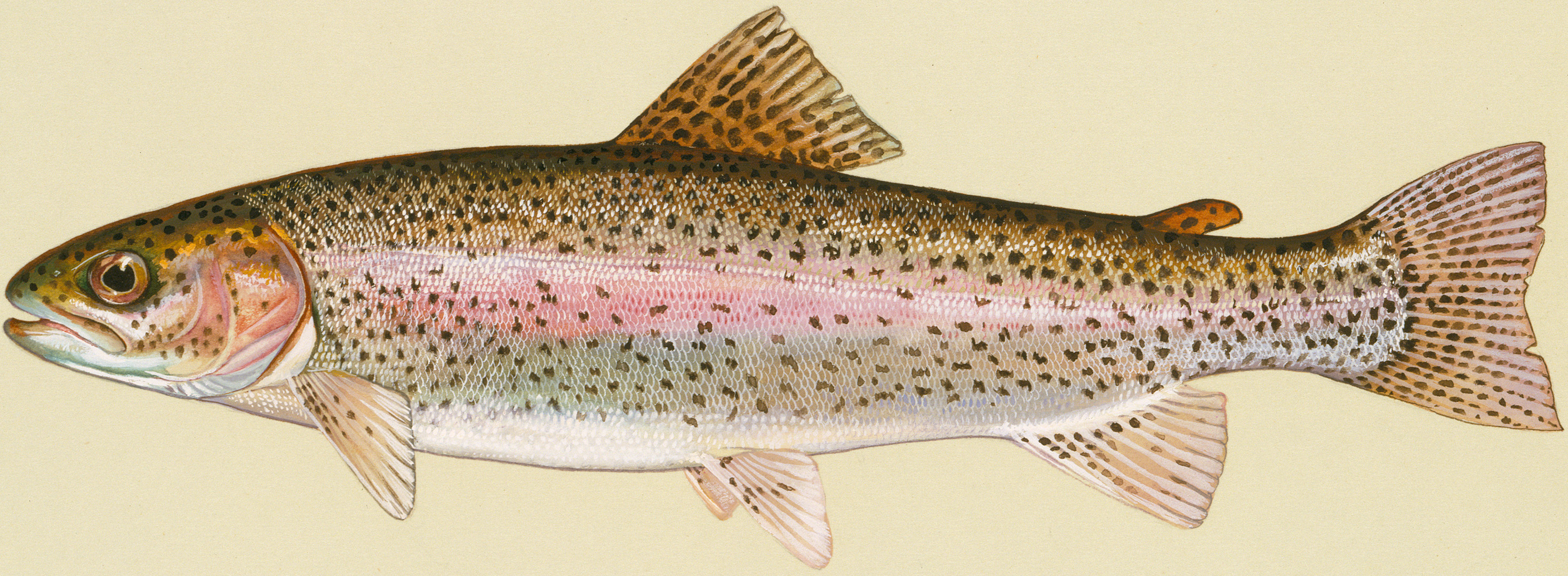
The first cold morning at a Texas pond changes the mood of fishing. The bank might still look like an ordinary neighborhood park, but the people arriving with ultralight rods and small tackle boxes know something is different: winter rainbow trout season is approaching. For a state better known for bass boats, coastal redfish and catfish, that is an unexpectedly accessible invitation. You do not need a mountain stream or an expensive boat. In many communities, the fishing happens close to home.
The Texas Parks and Wildlife Department has posted its 2026–27 rainbow trout stocking schedule, listing public waters, planned fish numbers and dates. Those entries are a plan, not a promise that a truck will arrive at a particular hour. Conditions and operations can alter a stocking, and catching fish is never guaranteed. But the schedule gives people a useful starting point for choosing a destination and preparing correctly. Check the current TPWD schedule before leaving.
Why this is a different kind of Texas fishing
Rainbow trout favor cold water. Many Texas ponds are not suitable places for them to live through a hot summer, so winter stockings create a seasonal opportunity rather than a year-round population. TPWD’s Neighborhood Fishin’ program explains that trout typically enter its participating waters between Thanksgiving and early March. The precise start and repeat frequency depend on the site, so readers should work from the schedule rather than assuming that every pond is stocked on the same day.
This is also why the experience feels distinct from looking for largemouth bass. A person with limited time can visit a small public lake, walk a bank and fish a compact setup. Children who have never held a rod can learn the rhythm of casting, waiting and reeling without having to spend a day on a large reservoir. Experienced anglers can enjoy the challenge of light line and precise presentations. Neither group needs to pretend that the fish are wild trout in a remote river. Stocked trout fishing is enjoyable on its own terms.
There is an important distinction between a stocking date and a good fishing day. A planned stocking tells you fish are expected to be added; it does not tell you that a location is open, that water access is unrestricted or that fish will bite. A crowded bank, wind direction, cloudy water or an active weather change can affect how a session feels. The most useful habit is to check several layers: the official schedule, local site notices, current regulations and actual conditions.
Start with the public water, not the lure
TPWD’s table lets anglers search for a waterbody and community. The smartest first move is to identify two or three plausible destinations, especially if you are driving from a county without a stocking location. Look for the name of the park or waterbody, then confirm which agency operates it. A city park may have different entrance hours, vehicle parking and fishing access from a state park or a river tailrace.
That homework sounds ordinary until you arrive at a closed gate with a perfectly prepared tackle box. Some stocked places are small ponds surrounded by neighborhoods; others require a longer walk or have limited bank space. Families should ask whether a stroller can reach the bank, whether restrooms exist and whether the water’s edge is steep. Anglers with mobility limitations should look for accessible fishing piers or suitable developed shorelines instead of inferring accessibility from a lake’s name.
For readers in different parts of Texas, the program is an opportunity to explore nearby water rather than focus exclusively on a famous lake. The official list is the source of truth for which communities participate this season. It is better to recommend a nearby verified stocking site than to send someone three hours across the state because an old article said a lake was popular last winter.
A beginner’s trout tackle setup that actually makes sense
A light or ultralight spinning rod, a small reel and an appropriately light line are enough to get started. Simple hooks, small floats, split shot and a landing net provide flexibility. The goal is not to buy a bag of specialty equipment; it is to make it possible to present a small offering naturally and detect a gentle bite. Tackle choice should fit the water, local rules and the angler’s confidence.
On ponds where permitted, prepared trout bait can be convenient because it stays in a child’s tackle plan without requiring constant movement. Small spinners, spoons or other compact artificial lures give a more active angler something to do. Check the specific water’s rules before selecting bait. Some waters may have special gear restrictions, and not every technique is legal everywhere. A tiny lure is still not a substitute for reading the regulations.
Wind can make a light outfit harder to cast. If it is blowing toward an accessible shoreline, that bank may offer a useful casting angle, but you still need room behind you and a safe distance from other people. Practice the motion away from the crowd first. On a busy stocking day, controlling your hook and respecting your neighbor’s casting lane matter more than throwing to the middle of the pond.
What anglers should know about licenses and limits
Do not confuse a public pond with a universally license-free location. Fishing license requirements depend on age, residency, location and other rules. Texas state parks have specific fishing exemptions within park boundaries, while an ordinary city pond does not automatically offer the same benefit. The 2026–27 Outdoor Annual and TPWD’s current online regulations are the right places to verify your situation. Limits and special rules also matter when someone intends to keep fish.
The TPWD stocking page notes rules for Community Fishing Lakes and certain state-park fishing locations, including a limit on the number of poles an angler may use. Because the details can be location-specific, avoid relying on a general memory of the trout limit. Look up the exact water and current statewide requirements before the first cast. If an officer asks what rule applies, the correct answer should be based on the water you are fishing, not a social-media comment.
A useful family conversation happens before anyone hooks a fish: Are we keeping what we catch, or releasing it? For people intending to keep legal fish, bring an appropriate cooler and ice. For anyone releasing a trout, handle it gently, minimize time out of the water and use appropriate hooks and technique. Warm water can be stressful for cold-water fish; the fact that a pond received trout in winter does not make every later release scenario equally safe.
A realistic two-hour outing
Give yourself a manageable window. If the destination is twenty minutes away, there is no need to turn the outing into an entire Saturday. Set out your rods, check local opening hours and arrive with enough daylight to learn the shoreline. Walk the bank before casting. Notice where people are already fishing, how the wind is moving across the water, and whether any area is posted as closed.
Spend the first fifteen minutes getting organized rather than racing toward the crowd. Teach the basic casting motion, explain how hooks are handled, and agree on where people should stand. An adult may need to manage the bait and unhooking for younger children. After a period without a bite, change one variable: depth, retrieve speed, presentation or shoreline position. Changing everything at once makes it hard to learn what helped.
Bring snacks, water and an extra layer. Texas winter weather can move between pleasant sun and a raw breeze in the same afternoon. For a child, comfort often decides whether the trip becomes a happy memory or a one-time experiment. Pack out line scraps and packaging; discarded fishing line can injure birds and other wildlife. The cleanup is part of being a good angler, not a small administrative chore afterward.
Trout season can make better anglers year-round
There is a quiet educational value to these winter stockings. People learn to identify legal access, read official state information, match tackle to fish and think about responsible harvest. A person who has only fished from a motorboat may rediscover why fishing from a bank is satisfying. A family that has never tried fishing may discover a low-cost activity that belongs to their own community.
The practical next step is to open the official 2026–27 TPWD stocking schedule, choose a location and verify its planned stocking date, access rules and current regulations. Check again near the outing because stocking information can change. Thunderfoot’s lakes and fishing coverage can help readers explore broader Texas fishing opportunities, but the state schedule remains the authority on stocking plans. A small pond in December may not look like a classic Texas fishing destination. That is part of its appeal.
Explore related coverage in Thunderfoot’s Texas fishing articles.
Sources and latest updates: TPWD 2026–27 stocking schedule; TPWD Neighborhood Fishin’; TPWD regulations.
Feature photo: U.S. Fish and Wildlife Service, public domain, via Wikimedia Commons. Illustrative image; not a Texas stocking site.
