
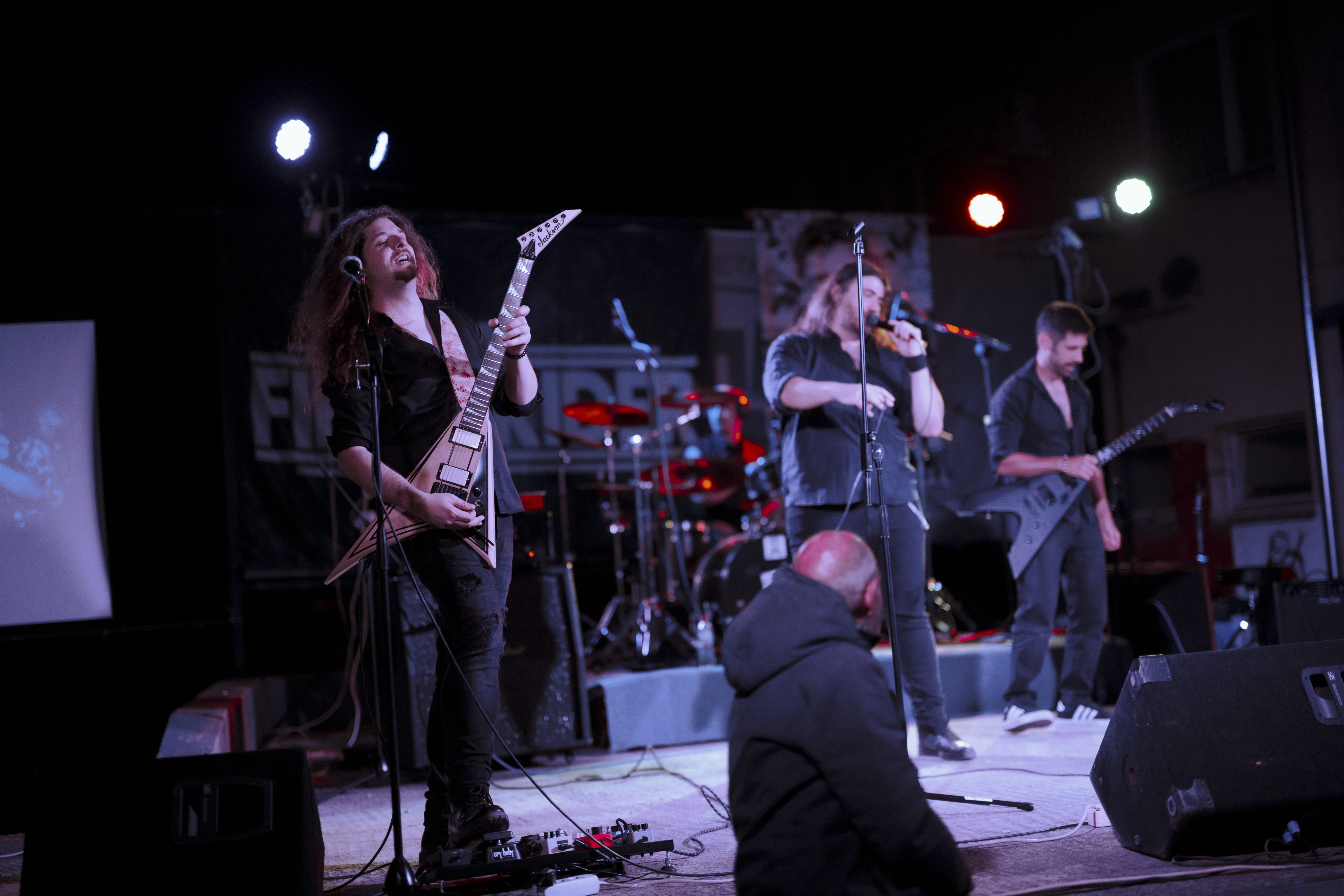
A concert does not need a huge crowd
Some of the most interesting music nights in North Texas happen in rooms small enough that the audience can see a guitarist change a pedal or hear an unamplified comment between songs. The big-arena calendar will always draw attention, but intimate venues offer something different: proximity to performers, a chance to discover unfamiliar acts and often a setting where local music communities overlap. Dallas, Denton and nearby communities have a variety of rooms that host performances, though specific schedules and ticket arrangements change constantly. Rather than invent a lineup for tonight, this guide focuses on how to find a real show that fits your taste, budget and willingness to explore.
Start with the room, then the name
A venue’s atmosphere shapes an evening almost as much as the band. A seated listening room encourages attention to lyrics and quieter arrangements. A standing club may be better for loud rock or a dance-oriented set. A restaurant with regular live music can make a social evening easier for friends who prefer to talk between songs, while a dedicated concert hall prioritizes performance. North Texas music calendars show an unusually broad selection of room types. That is valuable discovery information, but it does not tell you whether a particular event has an age restriction, assigned seats or an early door time. Those details need confirmation at the venue’s own page.
Dallas offers more than one music district
Deep Ellum has a long association with live music, but the Dallas scene extends well beyond one neighborhood. Listings around Oak Cliff, the Design District and the southern side of downtown offer different kinds of performance spaces. A room that works beautifully for singer-songwriters may not suit someone looking for a loud full-band show. Check whether the venue primarily runs ticketed performances or mixes music with ordinary restaurant and bar service. A calendar may show multiple event listings for a location, but some are recurring nights rather than one-off concerts. The most useful distinction is between a venue you want to experience and a specific artist you want to hear.
Denton deserves deliberate attention
Denton’s musical reputation is connected to a dense creative community and a strong university presence, but the appeal is not limited to student bands. Smaller venues can give emerging performers a place to build audiences, experiment with sets and share bills with touring acts. For a visitor from Dallas or Fort Worth, the trip can be worthwhile when the performer and room match what you enjoy. The difficulty is often practical: parking, door times and knowing whether an event is a true concert or a casual open-mic night. Verify those details before heading out. A few minutes checking the venue can prevent a disappointing drive or an unnecessary argument about whether the show starts at the advertised time.
How to read a lineup properly
A concert announcement may contain a headliner, support acts, a door time and a music start time. Those are not interchangeable. Someone hoping to hear the opening band should not show up at the time the headliner usually appears. Likewise, a late show with an early door may involve a substantial wait, especially if a venue runs multiple performers. Review the promoter and venue information together, and confirm whether a schedule has changed close to the event. Some artists sell tickets through their own links, but the venue’s official event page is a sensible cross-check. If a social-media account offers a suspiciously cheap resale ticket, resist the urge to treat it as a guaranteed entry.
The economics of smaller performances
An intimate music night can be an approachable alternative to a major arena concert, but smaller does not automatically mean inexpensive. A ticket price may be joined by service fees, parking, a food or drink minimum, or late-night transportation costs. Set a realistic total budget rather than comparing only face-value tickets. A small room can also offer a meaningful way to support working musicians: buying legitimate admission, respecting merchandise tables and sharing the artist’s actual music rather than reposting unauthorized recordings. It is possible to enjoy an affordable show without treating the people producing the evening as though their labor should be free.
The best show may not be the most famous act
Discovery requires curiosity and some tolerance for the unfamiliar. Listen to a few recordings before buying, but do not expect a local performer to sound exactly like a polished studio release. Live arrangements can be looser and more spontaneous. Consider the complete bill: an opener from a different genre might become the surprise of the night. If a room is known for a particular sound, learn what kind of audience attends before choosing it for a first date or a group outing. The goal is to match expectations with the experience, not to rank every venue on a universal scale. An excellent show is often one where the audience and artist are genuinely engaged.
Getting there without spoiling the night
A small performance venue may have little dedicated parking, and nearby garages can charge different rates depending on other events. Check neighborhood parking rules and avoid assuming a nearby business lot is available. For an event ending after midnight, plan transportation before the first song. Anyone drinking alcohol should arrange a designated driver or reliable alternative. If a group is traveling from another North Texas city, agree on whether to stay for the whole bill or leave after the headline set. This prevents a familiar kind of frustration: one person is enjoying an encore while everyone else is worried about a long drive home.
Accessibility and age policies matter
Venue websites should be the primary source for accessibility details, age restrictions, security checks and seating arrangements. A photograph of a low stage does not establish that a wheelchair user can reach the performance area, and a casual-looking bar may still have strictly enforced entrance rules. Contact the venue when the information is unclear. Similarly, fans attending with teenagers should confirm whether an event is all ages, ages sixteen and up, or restricted to adults. Policies sometimes vary by show even within the same room. Being precise about those details makes music discovery genuinely useful instead of setting up readers for a disappointing experience at the door.
Good concert manners are simple
In a tiny room, individual behavior has an outsized effect. Loud conversations during a quiet song, bright phone screens held above others and constant movement between people can change the experience for an entire audience. There is nothing wrong with enjoying music enthusiastically; the standard should be attention to the artist and consideration for those nearby. Follow venue photography and recording rules. If the band invites singing or dancing, participate within the room’s conventions. If it is an acoustic listening night, let the quieter moments breathe. Part of the pleasure of smaller venues is the shared sense that everyone is there for the performance.
Build a better personal music calendar
Choose two or three venues whose programming regularly interests you, then check their official calendars once a week. Combine that with a broader event finder to discover names you would otherwise miss. Save the event date and confirm it again before leaving, because cancellations and rescheduling do occur. Compare the music style, entry conditions and practical route rather than simply clicking the first available show. Over a month, that habit can reveal an unexpected local artist or a venue that feels like your kind of place. North Texas has enough range that no single discovery method should dominate your choices.
The point of going out
Live music is an experience, not a product specification. The quality of a night may depend on a performance nobody could have predicted from a short video clip. An intimate room offers the chance to hear unfamiliar work in the setting where it was meant to connect with people. Start with verified listings and the venue’s own details, then allow room for surprise. Thunderfoot’s live music coverage can serve a useful role by highlighting the variety of regional scenes without pretending that every show is a must-see. The real recommendation is to find a performance that interests you and give it your attention.
Source: Official organizer or regional guide. Check dates, requirements and access before traveling.
Explore Thunderfoot events for related discoveries.
Photo: Illustrative live-performance image, CC BY 2.0 via https://commons.wikimedia.org/wiki/File:Musicians_perform_live_on_stage_during_a_concert_at_a_local_venue.jpg

Continue exploring with Thunderfoot’s Texas Live Music Finder, and verify live listings with the source.