
The lake changes without closing
Lake Conroe can look inviting in November. The busiest summer weekends are behind us, comfortable afternoons still happen and the water can appear peaceful from shore. That apparent calm is exactly why cool-weather boating deserves a fresh checklist. Fewer boats do not eliminate hazards, and the consequences of falling into cooler water may be more serious than they were in August. The lake remains a working recreational waterway with anglers, cruisers, paddlers and waterfront communities sharing space. A good late-season trip begins by acknowledging those changes rather than assuming the summer routine still fits. The San Jacinto River Authority publishes lake information and safety guidance, and Texas Parks and Wildlife supplies statewide boating rules.
Check the whole forecast, not the afternoon high
A forecast showing a comfortable afternoon temperature does not describe the entire outing. Look at wind direction, gusts, precipitation chances and the timing of any front expected to cross the lake. An open-water route can feel substantially rougher than a sheltered cove, particularly on a windy day. If you expect to return near sunset, consider how quickly temperatures will drop after the sun disappears. The forecast nearest your home may not accurately represent the water. Review reliable local weather and marine information immediately before leaving. Establish a clear cancellation threshold rather than committing to the trip because friends have already loaded the truck or the boat is finally ready.
Cold water changes the safety margin
Many boaters judge risk by how warm the air feels, but immersion risk is about water conditions too. Texas Parks and Wildlife encourages consistent life-jacket use, and November is a compelling time to take that advice seriously. Wear an appropriately fitted Coast Guard-approved life jacket rather than relying on it being under a seat. Check that children have correctly sized devices and that every passenger knows where safety equipment is stored. A person who falls overboard may struggle to swim or climb aboard, especially while dressed in heavier clothing. A throwable device and a practiced retrieval plan are more valuable than confidence that everyone is a strong swimmer in a pool.
Make a return plan somebody else understands
Before departure, tell a trusted person where you intend to launch, the area you plan to visit and when you expect to return. That information should be specific enough to help if the group is overdue. Carry a charged phone in suitable protection, but do not assume cellular coverage or battery life will always be adequate. Review communication and distress equipment appropriate for your vessel and route. If the plan changes significantly, update your contact when practical. A float plan is not a sign that the trip is dangerous; it is a straightforward way to avoid uncertainty when an outing takes longer than expected. Clear return details help friends distinguish a delayed lunch stop from a genuine problem.
Fuel belongs on the checklist
The quiet season is a good time to confirm fuel quality, engine operation and basic maintenance. Start with the owner’s manual and check the engine for leaks or warning signs before launching. Verify fuel level based on the route and leave a conservative reserve. Some boaters use a familiar rule of dividing available fuel into outbound, return and reserve portions; the exact safe quantity depends on the boat and operating conditions. Do not assume that a fuel dock will be open because it was staffed during peak season. Confirm current marina services before relying on them. An engine that ran well in July still deserves a pre-departure check in November, especially if it has been sitting.
Slow down at the ramp
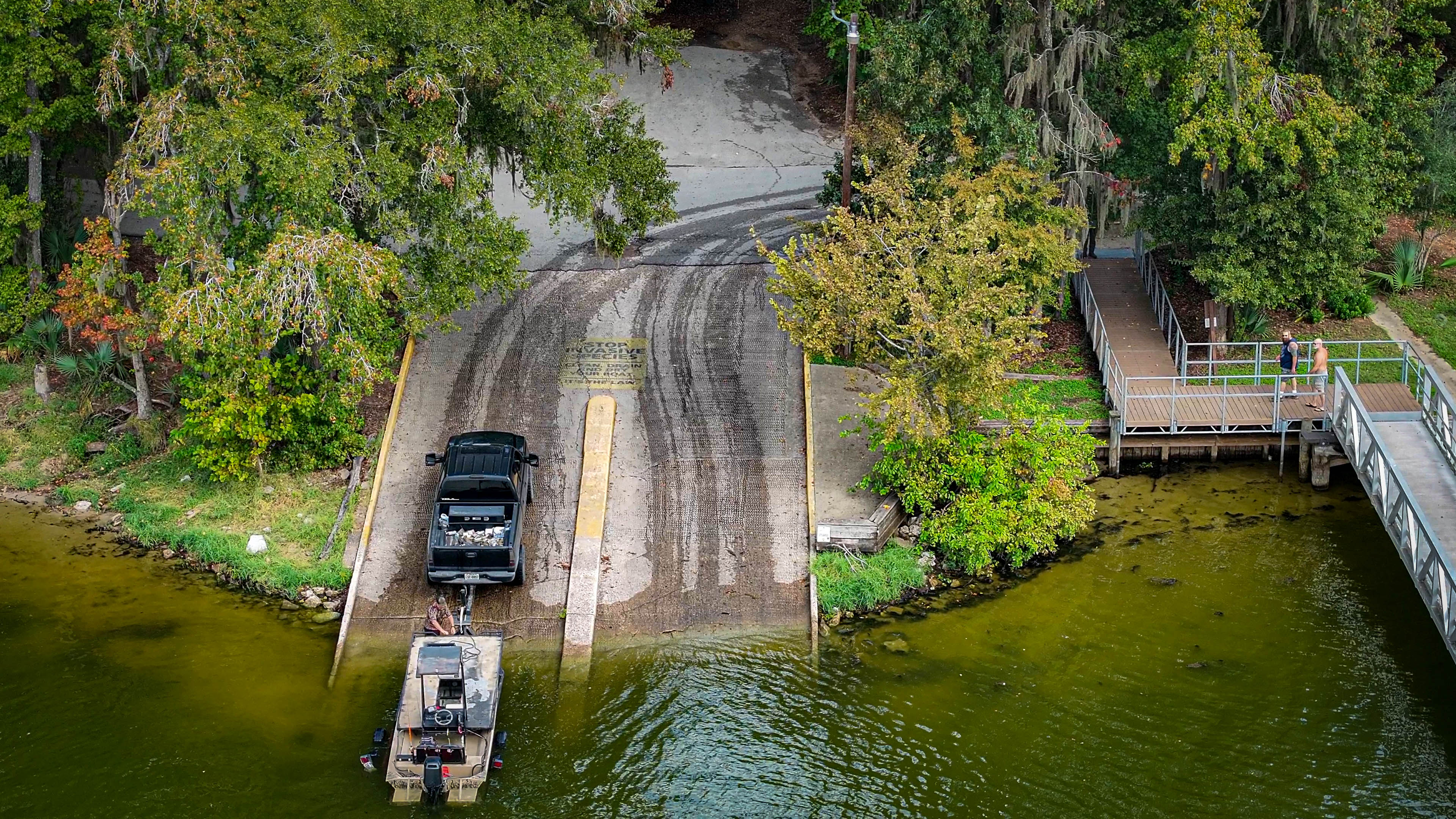
Launching can be surprisingly different when there are fewer people around to help. Check ramp access, water levels and current facility notices before towing to the lake. Prepare the boat in the staging area rather than blocking a launch lane. Inspect drain plugs, straps and the trailer connection. Once afloat, test steering and basic systems within a safe area before committing to a long crossing. At retrieval, keep passengers clear of trailer movements and avoid rushing because other users are waiting. If a ramp is closed or restricted, use an officially confirmed alternative rather than guessing that a familiar roadside access point is legal and usable.
Visibility and daylight are not summer variables
November sunset arrives early enough to change the shape of an afternoon ride. Navigation lights need to work, not merely be present. If the trip might continue toward dusk, verify the correct lighting requirements for the vessel and consider returning earlier while landmarks are easier to identify. Reflection and glare can affect visibility even before sunset. Carry a dependable light source, review the route and do not use a phone screen as the only navigation aid. If someone in the group is unfamiliar with the water, explain how to identify the ramp and known landmarks. Good navigation is a combination of preparation, observation and willingness to turn back.
Respect anglers and shore users
A fall lake afternoon may bring a different balance of activities. Anglers often work around structure, coves and shoreline areas while recreational boats continue to cross the reservoir. Give fishing boats generous room and follow posted no-wake and navigation restrictions. Watch carefully for paddlers, especially in lower light or near shore. Noise and wakes matter near docks and other waterfront users. It is easy to mistake an uncrowded lake for an empty one. Situational awareness should improve when traffic is light, not disappear. This is also an opportunity to explore the shoreline at a sensible pace rather than pursuing the longest possible route simply because the main channel looks open.
What to bring beyond summer gear
A dry change of clothing, layers suited to the forecast, drinking water and basic first-aid supplies can make a late-season outing more comfortable. Keep items protected from spray. Passengers should know how to use the life jackets and how to call for help if the operator becomes unable to respond. Check that the emergency kit has not been depleted during summer trips. A throw rope may be useful on some boats, but equipment choices should match the vessel and requirements. Avoid loading the boat with unnecessary gear that creates tripping hazards or interferes with movement. A simple, organized cockpit is easier to operate when conditions change.
A shorter route can be the better day
The goal of November boating does not have to be covering as much water as possible. A shorter cruise with a deliberate destination and a comfortable return can be more enjoyable than trying to recreate a midsummer itinerary. Consider launching earlier, choosing protected water when appropriate and allowing time for stops without racing daylight. If the wind builds or an engine behaves unusually, heading back is a good decision, not a failed trip. An afternoon spent watching seasonal changes along the shoreline can be memorable without a high-speed crossing. The important question is not whether the boat can make a particular route, but whether that route suits the conditions and people aboard.
Make the guide useful on the water
Thunderfoot’s Lake Conroe guide and map can help readers orient themselves before they launch, but a recreational map is not a substitute for official navigation information, local hazard awareness or real-time water conditions. Check San Jacinto River Authority updates and Texas Parks and Wildlife boating regulations directly. If a restaurant dock or marina is part of the plan, confirm current operating hours and access. Do not assume a map listing establishes that fuel, food or slips are available at that moment. The best combination is an engaging local guide for discovery and authoritative operational information for the decisions that affect safety.
The checklist in one thought
November boating should feel relaxed because the preparation was thorough. Check the forecast, water conditions, vessel, fuel, life jackets, communications, launch access, return time and emergency plan. Give every passenger a short briefing and make sure the operator is comfortable postponing the trip if something is wrong. That may sound more deliberate than a spontaneous summer outing, but it protects what people enjoy about Lake Conroe: the ability to spend time outside, see familiar shoreline from a different perspective and return safely. Cooler weather creates opportunities on the lake. It also rewards the people who approach those opportunities with care.
Source: Official organizer or regional guide. Check dates, requirements and access before traveling.
Explore Thunderfoot events for related discoveries.
Photo: U.S. Forest Service photograph of boaters on Lake Conroe via https://commons.wikimedia.org/wiki/File:20231023-FS_PJK_0033_(53298633743).jpg

Continue exploring with Thunderfoot’s Lake Conroe interactive map, and verify live listings with the source.