
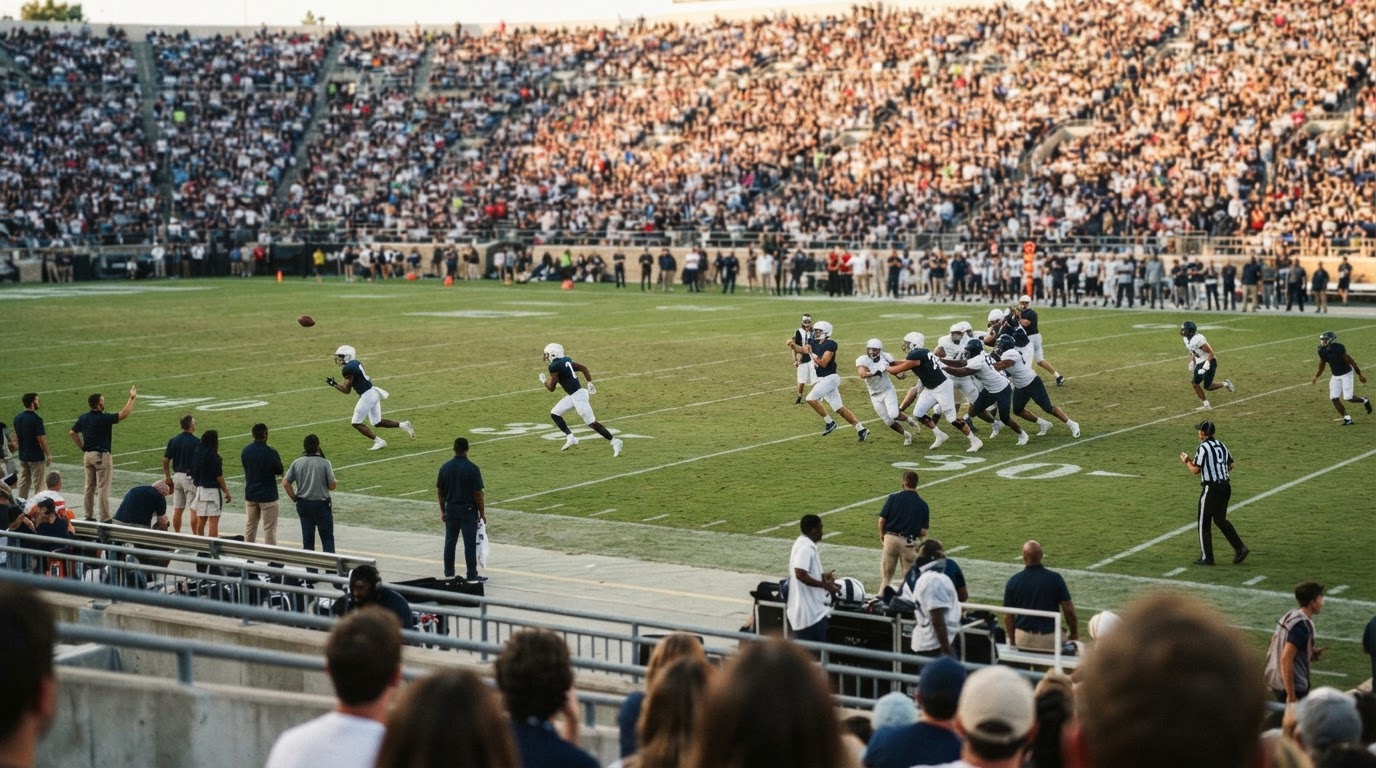
A Sunday with two distinct starting lines
There is a comfortable rhythm to some NFL Sundays in Texas: the early game fills the living room, lunch appears at halftime, and the afternoon game gives everyone a reason to delay whatever chore was supposed to happen before dinner. Sunday, November 15, 2026, offers that rhythm without a direct conflict between the state’s two franchises. Houston is at Cleveland for a noon Central kickoff, and San Francisco visits Dallas at 3:25 p.m. Central. Those times are confirmed by the NFL Week 10 schedule and the clubs’ official schedules.
It is tempting to treat the games as one enormous Texas football afternoon, but they ask different questions. Houston must manage a road game and find an effective answer to Cleveland’s defense. Dallas plays at home against the 49ers, where the demands may be just as physical but the atmosphere and situational choices are different. A thoughtful Sunday preview does not invent injuries, tactics or certainty that have not been established. It gives people a better way to watch what actually unfolds.
For Houston, the first challenge is the road environment
The Texans’ official schedule lists the Cleveland Browns as Sunday’s opponent, with the game at noon Central on Fox. For viewers at home, that means the food and screens need to be ready earlier than people sometimes expect when watching out-of-state teams. For the players, a road setting changes the communication pattern. The offense works without the natural assistance of a home crowd that knows when to quiet down, and small errors can become more costly when drives are already difficult.
Watch the first series for communication and discipline rather than looking for an immediate spectacular play. Are the players aligned before the snap? Does the quarterback know where the pressure is likely to come from? Can the offense get to third-and-short instead of having to convert ten yards repeatedly? A solid opening drive can end in a punt and still reveal something encouraging if it shows organization and a clear plan.
A defensive takeaway isn’t the whole game
A turnover makes the biggest noise, but what happens after it can be just as revealing. If Houston forces a fumble near midfield, does the offense make use of the field position? If Cleveland takes the ball away, can the Texans’ defense prevent a single mistake from becoming a touchdown? Those follow-up possessions are the moments that determine whether a game stays close or tilts suddenly.
The same applies to red-zone opportunities. A team that moves easily between the twenties can still struggle in a compressed field. A defense can allow yards but consistently force field goals. Track the finishing quality of drives, not simply their total length. An afternoon with fewer yards and better execution near the goal line may be more successful than one built on a few long plays without enough points.
Dallas and San Francisco get the late-afternoon stage
The Dallas Cowboys’ official schedule lists the San Francisco 49ers at AT&T Stadium in Arlington at 3:25 p.m. Central on Fox. That creates a natural second broadcast for Texans and Cowboys followers who want to see both teams. Some people will simply switch from one to the next. Others will be in the stadium and need a very different plan involving parking, entry screening, and a postgame departure from one of North Texas’s busiest venues.
For those attending, verify the event’s gates, tickets, authorized parking and bag policy before leaving. The best parking lot is not necessarily the one that looks closest on a phone map. If you are meeting people from several directions, pick a realistic arrival point and share the correct location ahead of time. A spectacular stadium deserves a little preparation; otherwise the game can start while someone is still trying to find the entrance.
The line of scrimmage will tell the early story
Cowboys–49ers is a game where people naturally look for individual stars, but the opening possessions may belong to the offensive and defensive fronts. Watch whether the quarterback has time to set his feet and whether the run game consistently gets through the first level of defenders. A rushing attempt that gains three yards and leaves second-and-seven is not the same as one stopped behind the line. Over a dozen snaps, those small differences tell you which side can choose its plays and which side is reacting.
Also watch how the defense handles motion and shifts before the snap. A team can move a tight end or back to create leverage without changing its fundamental play. The defenders need to communicate who is responsible for an edge, a receiver or a gap. If there is confusion, a modest play can become a major gain. That is not a prediction about either club; it is a useful way to understand why some drives look effortless and others never get started.
Special teams deserve an equal place in the conversation
It is easy to spend an entire viewing session talking about quarterbacks and forget that field position changes every few possessions. A punt caught near the goal line forces an offense to be careful before it can get aggressive. A coverage mistake can give an opponent a short field without its offense earning much. Close games often contain several turning points that never make the first highlight package.
Watch how coaches respond to fourth down near midfield. Distance, score, field position and confidence in the kicker or defense all matter. The correct choice is rarely determined by a rule as simple as ‘always go for it.’ In a home game, crowd energy may make an aggressive decision seem especially attractive, but the actual football problem remains the same: weigh the chance of conversion against what happens if the play fails.
A Sunday plan that keeps the host in the room
If you are hosting friends, build a simple schedule around the two kickoffs. An easy lunch that can be served before noon is better than a complicated dish that needs your attention during every second-quarter possession. Keep drinks and snacks where people can help themselves. Plan one reset between the broadcasts so the kitchen does not become a disaster by the late game. If children are attending, have something other than a television available for them.
The idea is not to turn your home into a restaurant. Make the food good, let people get comfortable and then sit down to enjoy the games. A host who spends seven hours working while everyone else watches has designed the day badly. Thunderfoot’s backyard football guide has a few practical ideas for that challenge, without needing to make every Sunday a huge production.
If you follow both teams, watch their second-half choices
Two games make it possible to compare approaches without assuming the opponents are alike. In Cleveland, Houston may need to adjust to a very specific defensive look. In Arlington, Dallas might face a different problem entirely. Pay attention to the first possessions after halftime. Do the teams attack a weakness they identified earlier? Do they change how they protect the quarterback? Or do they keep the same approach because it is fundamentally working?
That last possibility often gets overlooked. Not every adjustment involves a surprising new formation. Sometimes the smart choice is to keep running the play that consistently creates a manageable down. Football analysis is better when it notices discipline and repetition as well as dramatic innovation. A team that does the ordinary things well can be difficult to beat.
A few reminders about what is and isn’t confirmed
Sunday’s opponents, dates and listed kickoffs are official schedule facts. Future injuries, starting lineups, inactives, game-time weather and any broadcast changes should be checked again near kickoff. Do not treat a prediction, an earlier practice report or a recycled social post as a confirmed Sunday status. If you share a score update, make sure it identifies the quarter and time rather than suggesting a game is final halfway through the fourth.
The Cowboys NFL schedule and Texans NFL schedule are useful anchors. Thunderfoot’s Texas pro sports coverage supplies a place for the broader conversation, but official sources control the details that can change.
The best reason to watch both
One Sunday can show two very different versions of how a professional team handles pressure. Houston may need patience on the road. Dallas may need clarity and control in a loud home atmosphere. Neither game is guaranteed to follow those scripts, which is the point. The best viewing plan leaves room for surprise and pays attention to the plays between the highlights.
Put noon and 3:25 p.m. Central on the calendar, keep the food easy, check the official news before kickoff and enjoy the doubleheader. The most interesting story when Sunday is done might not be the biggest touchdown. It may be the quiet decision that let one team stay organized while the other was struggling to recover.