
An evening built around a possibility, not a promise
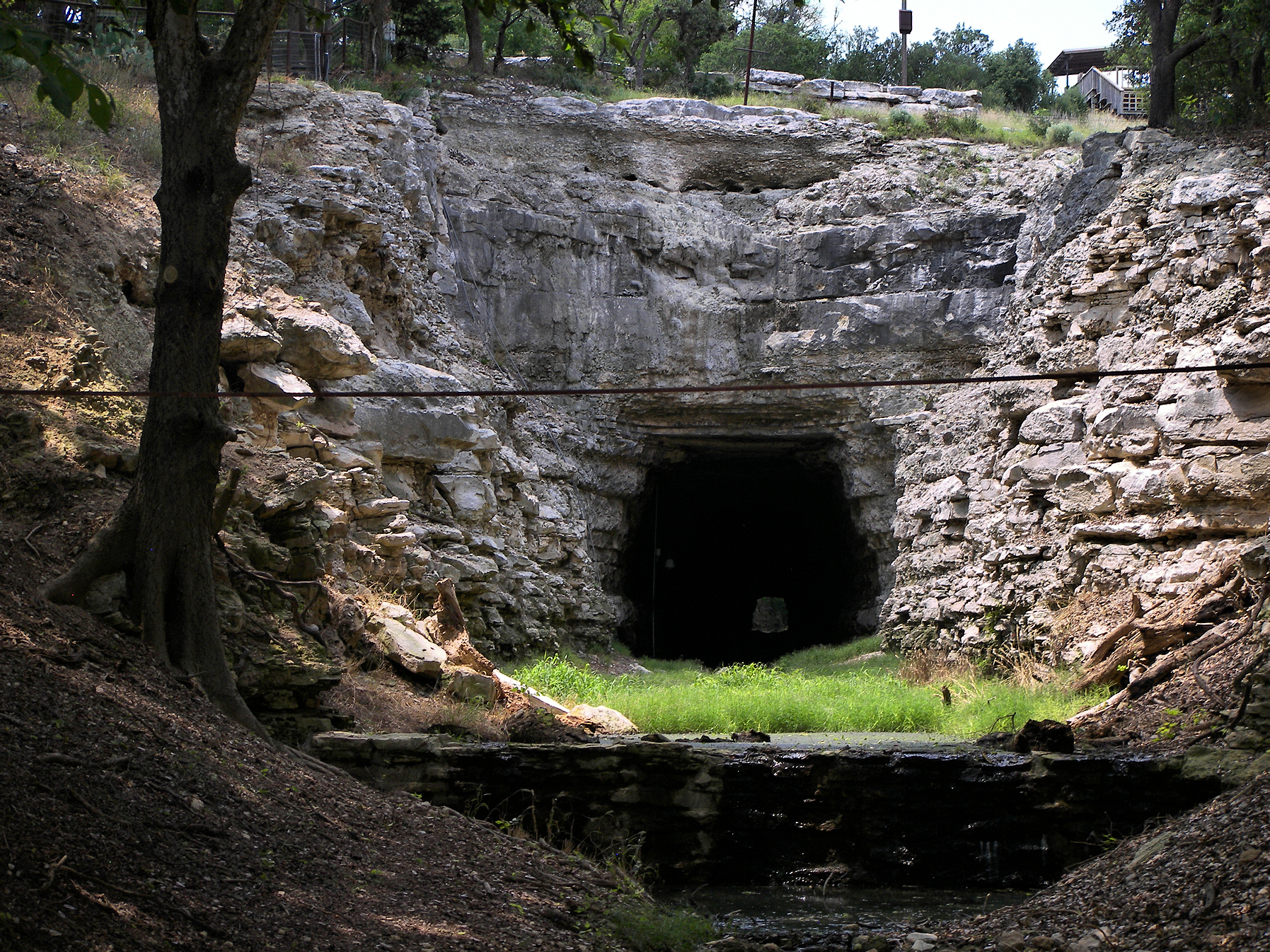
There are places in the Hill Country where the most interesting part of the landscape is almost invisible during the day. Old Tunnel State Park near Fredericksburg is one of them. An abandoned railroad tunnel shelters bats during part of the year, and their evening flights have made the site famous among people interested in wildlife. But the calendar matters. By mid-November, many bats have migrated, which changes what visitors should expect. This Sunday, November 15, a ranger program called Batty Buddies is offering something more realistic than a guaranteed swarm: the chance to learn about the animals and perhaps see some still using the tunnel.
The official Texas Parks and Wildlife event listing schedules Batty Buddies for 5 to 6:30 p.m. at the upper viewing area. Ranger Izzy will discuss the tunnel’s history, the bats that use it and the timing of their seasonal movement. The notice specifically warns that bat viewing season is largely over and that an emergence may not happen. That uncertainty is not a flaw in the event. It is an accurate description of wild animals following their own seasonal rhythms.
A railroad tunnel became a wildlife story
The Old Tunnel site began as part of a human transportation landscape, but wildlife later found use for its protected interior. Bats seek roosting places that offer suitable shelter and environmental conditions. The tunnel became associated with large colonies of Mexican free-tailed bats and other species, creating one of the Hill Country’s distinctive evening nature experiences. The story is interesting precisely because it connects an old piece of infrastructure with a living animal population.
A ranger can explain how a roost works, why different bats use different shelters and what role these animals play in the wider ecosystem. You don’t need to love bats or know the difference between a roost and a nursery colony to enjoy the conversation. A good visitor arrives curious. The most surprising part may be learning how much work bats do at night while most people are sleeping.
Migration means an empty sky is possible
The park’s current listing says the relevant migration period generally falls between mid-October and mid-November. By November 15, a large evening flight should not be assumed. A small number of bats may remain and emerge, or none may appear while visitors are present. If your only goal is to photograph thousands of animals filling the sky, a late-autumn ranger talk is not the appropriate event to promise that experience.
Instead, treat the evening as an opportunity to understand why the bats leave and how they navigate seasonal changes in temperature and food availability. Ask what the park observes over the year and how staff know when the main flight season has ended. Wildlife tourism works best when people learn to appreciate natural patterns rather than demanding that animals perform on a human timetable.
The trail closure is important
Old Tunnel’s event guidance says the park officially closes at 5 p.m. and that guests attending this program will not be allowed down the trail. The talk takes place in the upper viewing area. That distinction needs to be clear because visitors familiar with the park’s normal bat-viewing arrangements may assume they can walk toward the lower viewing area or approach the tunnel entrance. On Sunday evening, they should not do that.
Follow the ranger’s instructions and remain in the designated event area. Do not leave a marked path to get closer to the animals or to a tunnel opening, even if you hear movement. Sensitive roosts can be disturbed by people, bright lights and noise. A wild animal’s shelter is not an amusement-park attraction that should be entered whenever somebody wants a better view.
What makes bats worth defending
Bats are important parts of many ecosystems, including as consumers of insects and as participants in other ecological processes depending on the species. They are also frequently misunderstood. Stories about them often focus on fear rather than on the practical roles they play. A ranger program is a good place to ask accurate questions about behavior, seasonal movement and the differences between species.
Learning about bats can also improve how people treat wildlife near their homes. Not every animal found in an attic or near a porch should be approached, handled or harmed. If you find an injured or grounded bat, keep people and pets away and contact appropriate animal or wildlife professionals. Because some bats can carry rabies, direct handling is not a safe learning opportunity. Observation from a respectful distance is the right approach.
An autumn evening needs a comfortable setup
The event runs from 5 to 6:30 p.m., so visitors should expect the light and temperature to change during the program. Bring water, a layer for cooler air and insect protection if conditions call for it. The official description recommends water and snacks as needed and bug spray. If you are bringing children, explain that the program will involve listening and watching quietly rather than walking through a cave or interacting with animals.
A dim, appropriate light may be useful for moving around safely, but follow the park’s guidance about flashlight use. Bright lights directed toward potential roost or flight areas can interfere with wildlife viewing. Keep your phone screen dim where practical and be considerate of other participants. A respectful audience can make the event feel calm even when a group of people has gathered to watch a very uncertain natural event.
This is a place to ask questions
One of the benefits of a ranger-led gathering is that the conversation can change based on what visitors want to know. Why do some bats use the tunnel in one part of the year but not another? How do they orient themselves in darkness? What does the park do to protect the roost? Does weather affect their activity? These are all questions that lead to a better understanding of the setting.
Children may ask questions adults would never think to raise. Encourage that curiosity. The purpose is not to memorize a list of scientific facts. It is to see an animal that many people fear as part of a functioning ecosystem. A young visitor who leaves feeling curious rather than frightened has gained something, even if the bats remain out of sight.
Check before the drive
The event description warns that programming may be canceled because of weather and explicitly asks participants to check on the day they plan to visit. That is important for people coming from San Antonio, Austin or farther away. Conditions at the tunnel may differ from what the forecast shows near your home. Park operations and safety alerts can also change, so a current official check is worthwhile even if the program appeared on the calendar earlier in the week.
Use the Old Tunnel State Park page and its event contact details for confirmation. Do not confuse the upper viewing gathering with access to the closed lower trail. The right plan is simple: arrive at the approved location, dress for an outdoor twilight program and expect an informative conversation rather than a guaranteed flight.
The Hill Country has room for quieter Sunday stories
Texas weekend coverage can become crowded with stadiums, races and noisy festivals. Old Tunnel offers a different kind of outing, one where the main experience may be learning why something is no longer visible. The bats’ absence can be part of the natural story, and a ranger who knows the site can help make sense of it. That is worthwhile on its own.
Thunderfoot’s Western Hill Country coverage and Texas Event Finder can help compare other options. For this specific evening, remember the official schedule: 5 to 6:30 p.m., upper viewing area only, weather dependent, with no promise that bats will emerge. The most respectful wildlife experience begins with accepting those conditions.