
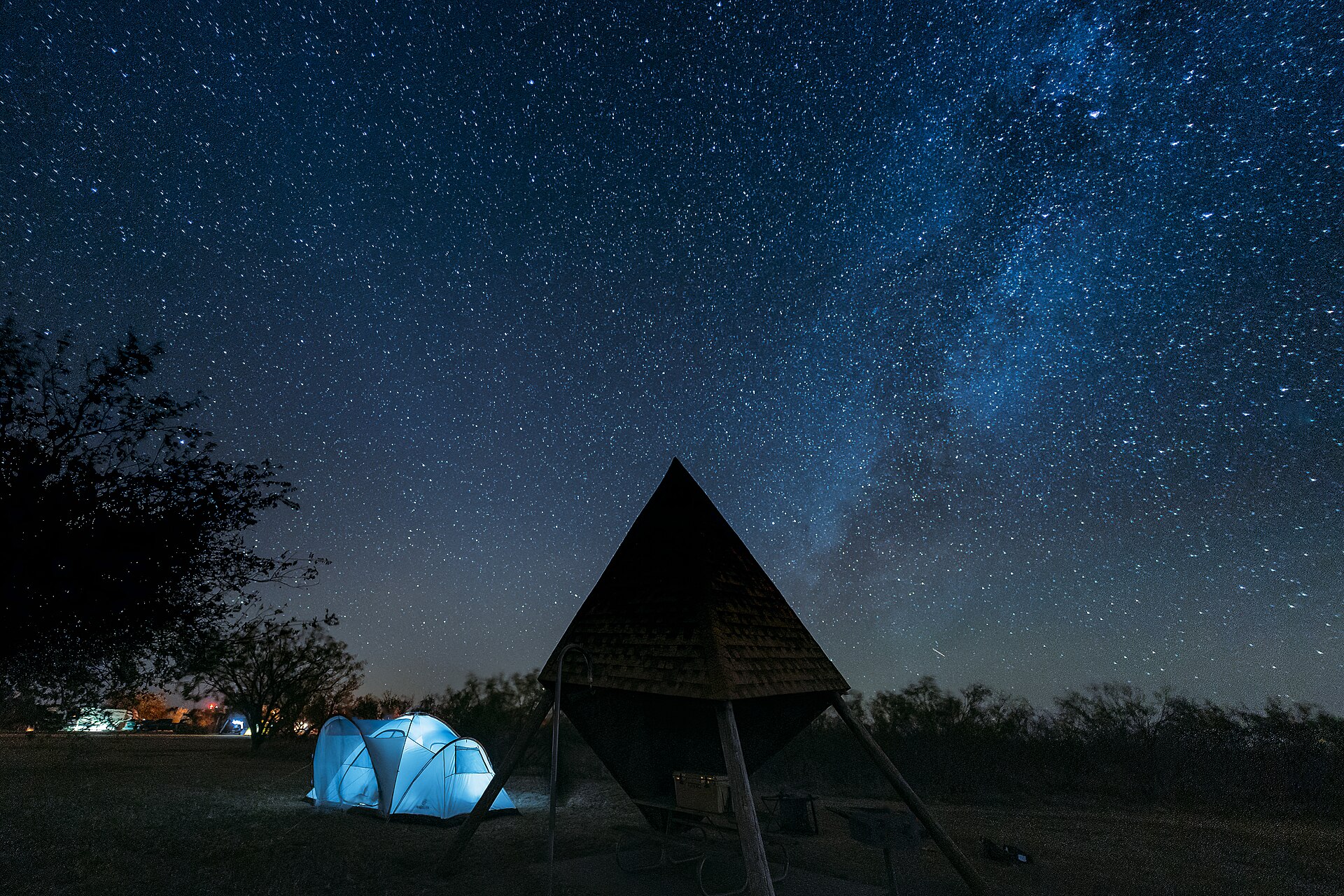
After sunset, a forest becomes a different place
East Texas is often described through its pine trees, lakes and green roads. At night, the story changes. The forest quiets, familiar paths look different and the sky can become an unexpected part of a weekend trip. Mission Tejas State Park has an astronomy program scheduled for Saturday, November 14, that invites visitors to look above the tree line instead of spending the evening looking for another event on a phone. The program is called Big and Bright Stars, and the appeal is a combination of simple curiosity and a setting away from the busiest city streets.
The official Texas Parks and Wildlife events calendar lists the gathering at 6:30 p.m. Saturday. Park staff plan to use a telescope to show celestial objects and discuss stars, planets, constellations and some of the stories people have told about them. Because the activity depends on sky conditions, visitors should check park updates before traveling. A calendar listing is not a guarantee that the weather will cooperate.
A telescope changes scale more than it changes your eyes
The first time a person looks through a telescope, the experience can be surprisingly quiet. There may be no dramatic flash of color, just a sharp point of light, the outline of a planet or an unexpectedly textured view that was impossible to see with the naked eye. That moment works best when the person understands what they are looking at. Rangers and other educators help by giving context: what is the object, how far away is it and why does it look different through a telescope?
If you’re new to astronomy, do not worry about knowing constellation names before you arrive. Ask a simple question about the difference between a star and a planet or why the Moon changes shape through the month. A good evening outdoors is not a test. It is a chance to look at familiar objects with a little more information and a little more wonder.
The darkness is part of the equipment
People often bring the brightest flashlight they own and accidentally make telescope viewing harder for everyone nearby. Eyes need time to adapt to darkness. A sudden white light can disrupt that adjustment, and bright phone screens can create the same problem. Use a dim red-filtered light if the program permits it, and follow staff instructions about where lights should be used. Keep your phone in a pocket during observing unless you have a genuine safety need.
Move slowly, watch your footing and remain within designated gathering areas. Forest parks can have roots, uneven paths and wildlife after dark. The appropriate pace is very different from a daytime hike. If your group includes children, establish one adult responsible for staying with them. Getting a clear look through a telescope is not worth wandering into an unlit area or disturbing other visitors.
A clear forecast matters more than a clever telescope
Clouds, rain, wind and haze can all affect an astronomy program. This particular Saturday provides a useful reminder: another Texas park’s November 14 star party at Pedernales Falls was officially canceled because of expected rain. That cancellation does not mean Mission Tejas has canceled its own program, but it shows why weather-dependent events need a fresh check on the day. An older calendar graphic may be technically accurate about the original plan and completely wrong about whether the program will proceed.
Before driving to Mission Tejas, look at the current event page, park alerts and weather forecast. If the sky is overcast or the park announces a change, have an alternative evening in mind rather than trying to pressure staff into continuing unsafe or unproductive viewing. A responsible outing respects both visitor safety and the conditions that make astronomy possible.
What the constellation stories add
A constellation is not merely a set of points connected in a textbook illustration. People from different cultures have used the night sky to tell stories, remember seasonal patterns and organize observations. A ranger program may draw on familiar names while explaining the wider human impulse to give meaning to objects that appear overhead. The most rewarding part can be recognizing that people have been looking at those same patterns for an extraordinarily long time.
Ask what part of the sky is visible tonight and whether the apparent movement of stars changes as the evening continues. There is no need to invent a dramatic astronomical event to make the program exciting. Watching an ordinary sky with a knowledgeable guide can be enough, especially for a child who has spent most evenings under bright neighborhood lights.
Planning a comfortable evening is straightforward
A November night in East Texas can become cool after sunset, even if the afternoon felt pleasant. Bring a warm layer, closed-toe footwear and water. Arrive ahead of the 6:30 p.m. start so you can confirm the meeting point and avoid stumbling through unfamiliar ground after dark. Use the parking and trail areas designated by the park; do not assume that all daytime paths remain open or suitable for wandering at night.
If you are attending with someone who has mobility needs, ask the park staff about the viewing area’s access and surface conditions. It is better to learn about a short rough section before arrival than after everyone has walked away from the car. Also check admission and reservation requirements. The event listing identifies the program, but the park’s current operating rules govern access.
The best viewing companions can be beginners
A person who has never used a telescope may ask the most interesting question of the evening. Why does one star appear brighter than another? How do we know something is a planet? Why does a familiar object look different through the eyepiece? Adults sometimes avoid asking basic questions because they think everybody else knows the answer. An outdoor astronomy program exists partly to remove that hesitation.
Families can prepare by talking about one thing they would like to learn, then leaving the rest of the night open. Avoid bringing a long list of objects that the telescope absolutely must show. Sky location, visibility and available equipment limit what can be viewed. A flexible attitude makes the evening much more enjoyable for both visitors and staff.
Mission Tejas is more than the event on the calendar
The park is a place where forest habitat and Texas history intersect. Visitors who arrive early enough might enjoy a short, permitted daytime walk or an opportunity to learn about the site’s historical interpretation. That changes the astronomy outing from a drive to one evening program into an introduction to a different corner of the state. It also gives the family time to settle in before the light disappears.
Resist the urge to keep hiking after dusk merely because the area felt familiar in daylight. A legitimate daytime route can become a navigation challenge when visibility changes. Stay within park guidance and attend the astronomy activity from the designated location. A good evening ends with everyone back at the car safely and with a new story about the sky.
A quieter way to spend Saturday night
Not every worthwhile Texas Saturday requires a stadium, restaurant or big-stage concert. A small group gathering around a telescope can be more memorable because it invites people to notice something they usually ignore. The stars will not perform on command, and the most interesting object may not be the one somebody expected. That is part of the charm.
The program remains listed for 6:30 p.m. Saturday as of this editorial check. Confirm directly through the Mission Tejas park page before driving. Thunderfoot’s Piney Woods and Deep East Texas coverage and Event Finder have more regional ideas. If the skies are clear and the program proceeds, give yourself permission to spend an hour simply looking up.