
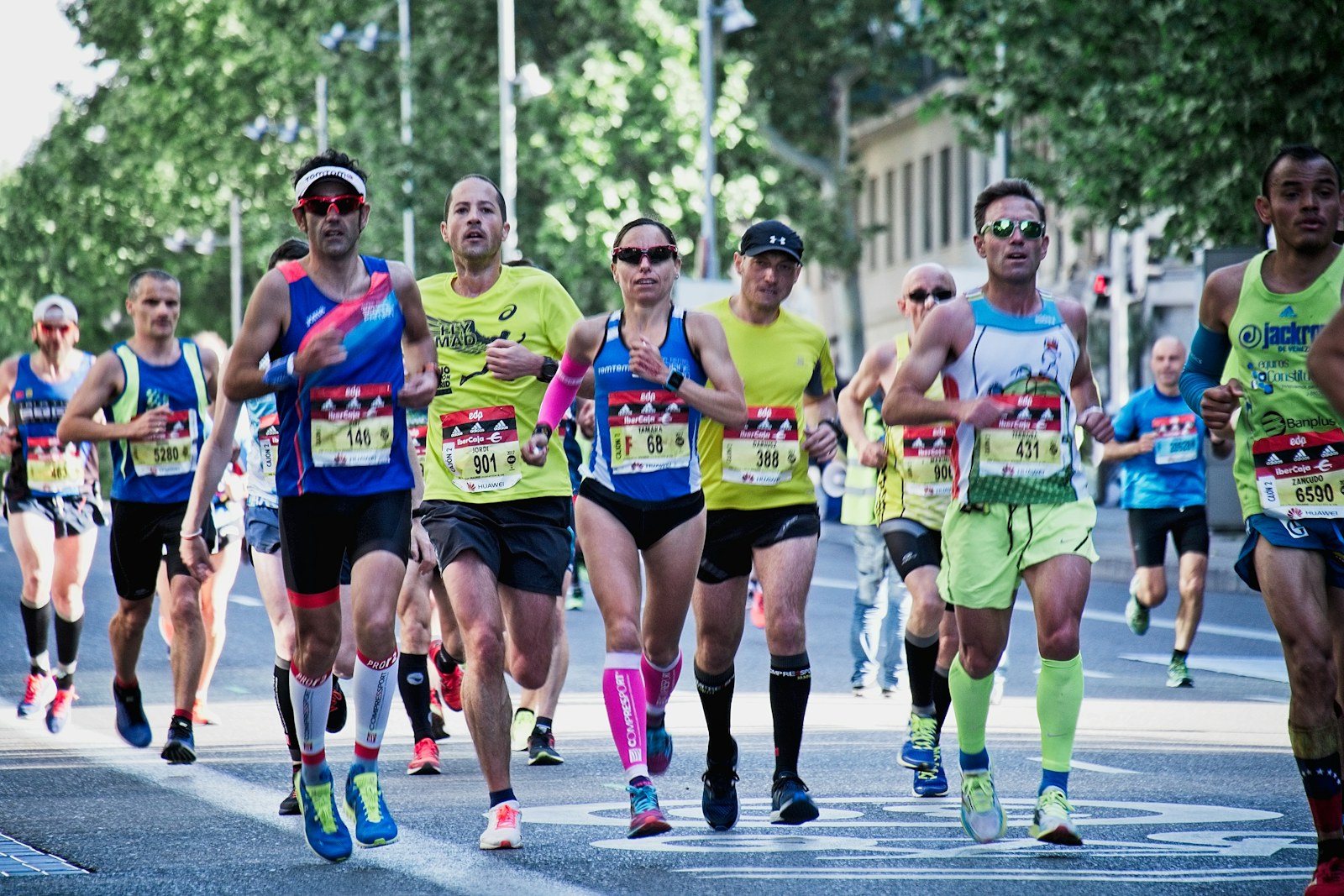
Some Texas weekends ask you to pick a distance. November 14–15 asks a better question: what kind of race day do you want? A shaded park 5K, a long trail loop through ranch country, or a swim-bike-run weekend beside Lake Conroe can all count as getting out and doing something difficult. They just demand very different preparations. This Saturday and Sunday, the 23rd Run in the Park in Houston, Wild Hare at Bluff Creek Ranch near Warda and the Oilman Texas Triathlon in Montgomery offer three solid examples. You do not have to race to make a day of it. Spectators, volunteers and curious future participants can all find something worth watching.
The weekend at a glance
At Houston’s Hermann Park, Run in the Park returns Saturday, November 14, with an 8 a.m. morning event and in-person 5K, 10K and children’s 1K options. Wild Hare takes place the same day at Bluff Creek Ranch in Warda, offering a 10K, 25K, 50K, 50-mile and youth mile. Over at Margaritaville Lake Resort on Lake Conroe, Oilman Texas spreads sprint-distance and family events across Saturday and the half-distance main event across Sunday, November 15.
That variety is excellent for the local calendar, but it is also a reason to be precise when you share plans. Two runners can say they are racing ‘Saturday morning’ while one needs a bib pickup and road shoes, and the other needs several hours of trail nutrition. A triathlete may have a Friday expo or mandatory equipment arrangements that a 5K participant never thinks about. Decide what sort of day you have committed to before making a schedule around it.
Houston: Run in the Park is about the place as much as the pace
Run in the Park supports Hermann Park Conservancy and the landscape that Houston residents use all year. The official event listing puts the Saturday gathering at Molly Ann Smith Plaza near the Jones Reflection Pool, with 5K and 10K routes and a children’s 1K in-person option. Runners who know every mile of the park from their usual training may find it surprisingly different with a crowd moving in the same direction. Others may discover their next weekday running route while they are here for a single event.
The race’s charitable connection is not just background copy. The Conservancy says proceeds support its work to care for Hermann Park and the trail system. You can make the most of that by giving the place some attention after you cross the finish line. Meet a friend, walk a section slowly, or spend a little time enjoying the park without looking at your watch. It is a good reminder that running can support public spaces as well as personal goals.
Planning the Houston morning
If you’re registered for the road event, confirm whether your selected distance has any last-minute instructions or start-wave changes on the official registration page. The Conservancy lists an 8–11 a.m. event window, but exact assembly instructions for each race should come from the organizer. Arrive early enough to park, use a restroom, locate the start and warm up without darting through a crowded chute. Carry less than you think you need; the best starting-line bag is often the one you did not bring.
For family spectators, agree on a place to meet after the finish instead of attempting to identify a runner from across a moving crowd. A cheering spot near a permitted section of the course can be more enjoyable than trying to follow every minute on foot. As always, stay out of the runners’ path and respect staff who are managing crossings. A well-run local event depends on volunteers making dozens of small decisions that most participants barely notice.
Warda: Wild Hare is a different rhythm altogether
Wild Hare takes place November 14 at Bluff Creek Ranch, 537 Owl Creek Road, Warda. Tejas Trails lists a youth mile plus 10K, 25K, 50K and 50-mile distances, so this event does not fit neatly into a single ‘trail race’ category. A runner on the 10K might spend the weekend learning how dirt, roots and small hills affect effort. Someone in the longest distance is dealing with an entirely different conversation about pacing, fueling and managing repeated loops. Both athletes share the same setting but not the same race.
The ranch-based course is part of the draw. Tejas Trails describes multiple loops and a camping atmosphere that gives the event a community feeling. That atmosphere is a real benefit for runners who enjoy recognizing volunteers and other competitors as the day unfolds. It also makes the site worth respecting: follow parking and land-use instructions, stay on marked course areas and do not assume public-park access rules apply to a private ranch.
Trail running: manage effort instead of chasing road pace
The road runner’s first instinct may be to compare every mile split with a familiar neighborhood loop. On a trail, that is usually a poor way to measure how well the day is going. Footing changes quickly. Small climbs cost energy. A shaded stretch can feel completely different from an exposed one, even when the watch shows the same speed. Use effort, footing and breathing to guide early decisions. If there is a technical section, staying upright is much more valuable than forcing a split that belonged to an entirely different course.
A sensible first trail race kit starts with tested footwear, comfortable socks, adequate water and whatever fueling plan you have actually practiced. Do not turn event morning into an experiment with new nutrition. Check course rules before using trekking poles, headphones, hydration systems or outside support. And remember that your longest planned day may include time standing, walking and dealing with small problems, not just the moments that look good in a race photograph.
Lake Conroe: Oilman turns one venue into a full weekend
The Oilman Texas Triathlon at Margaritaville Lake Resort Lake Conroe has a two-day menu. Saturday, November 14 includes sprint-distance competition, the Parrot Head 5K and youth events. Sunday, November 15 is the half-distance main event. The organizer describes the Sunday race as a 1.2-mile lake swim, 56-mile bike ride and 13.1-mile run. That is a major athletic undertaking, but the shorter Saturday options make the setting appealing to newcomers and families as well.
One useful way to experience the event is to watch transition. Athletes arrive from one discipline and must become competent in the next while tired and excited. A smooth transition is not a secret trick; it is the result of a prepared layout, practiced order and an understanding of the venue’s rules. For spectators, the transition area can be fascinating, provided you stay in allowed spaces and do not interrupt athletes or officials. The resort setting adds another reason to make a full outing of the trip.
Oilman details that deserve a second look
There is a difference between knowing that an event starts at 7 a.m. and knowing when your particular discipline needs you on site. The organizer’s schedule of events lists separate packet-pickup, transition, expo, bike-check and race activities across Thursday through Sunday. Read the section for your event rather than relying on a single time copied from a social post. The organizer also controls any last-minute course or safety announcements.
Athletes should check water-temperature and swim instructions as close to the event as possible, follow all cycling rules and treat aid stations as part of the planned course rather than an improvisation. Families should know where legal viewing positions are located and how to reunite when an athlete finishes. The location can be busy even when racing is spread across several waves. A calm arrival is one of the easiest ways to have a better day.
Which one fits your weekend?
A simple choice starts with the experience you want, not the medal. Pick Hermann Park if a manageable road distance, accessible city setting and a park-supporting cause appeal to you. Pick Wild Hare if you want trail terrain, a ranch atmosphere and distances that reward preparation and patience. Pick Oilman if multisport is already part of your life, or if you want to see how a triathlon operates before signing up for one yourself. These are not direct substitutes. They challenge different parts of the athlete and offer very different ways to spend the day.
It is completely reasonable to choose a spectator outing this weekend and mark a future race on your calendar. For a first-time participant, seeing the layout, hearing what competitors say at the finish and noticing the volunteer operation can remove a lot of uncertainty. Being around an event often builds more enthusiasm than staring at a registration form. Just be considerate of everyone whose actual race day is underway.
Do not overpack your week because the calendar looks exciting
If you are already running, cycling or lifting regularly, an interesting race weekend is not permission to pile three hard sessions together. Keep the training immediately before your event simple. Protect sleep, stay hydrated, eat familiar foods and avoid the temptation to test fitness at the last moment. You cannot suddenly gain meaningful endurance in the final forty-eight hours, but you can certainly arrive tired. Spectators are allowed to be more spontaneous; competitors benefit from a routine they have used before.
Parents planning around young participants should factor in breakfast, restrooms, walking distance from parking and the chance that a child may be happier enjoying the event than racing it competitively. A good introductory race leaves someone excited to return, not anxious about whether their split compared favorably with an adult’s. That can be the most useful long-term result of the weekend.
The Thunderfoot connection: start with one race, find the next
Thunderfoot’s upcoming Texas races page is built to help readers compare the broader calendar, and the Lake Conroe map can help visitors who want to extend a Montgomery outing. Use the organizer links for official race details, registration status, start times and any course changes. A general listing is a discovery tool, not a substitute for your race director’s final instructions.
For this November weekend, the event decision can be refreshingly straightforward. You might take your first 5K, see a good friend attempt a difficult trail distance, or spend Sunday morning watching someone emerge from the lake and start the bike leg. Whatever you choose, make the plan around the real event rather than how impressive it will sound afterward. Texas has enough races on the calendar for everyone to find a challenge that actually suits them.