
The race is on the calendar. The part that can still go sideways is everything around it: the packet pickup you assumed was available Saturday, the parking lot on the wrong side of a closure, or the friend who thought everyone was running the same distance.
With November 7–8 approaching, Texas runners do not need another list of races pretending every event is the same experience. They need a short stretch of practical preparation that makes the race they chose easier to enjoy.
Thunderfoot has already published regional choices for this weekend. This guide is the next step: how to turn an event listing into an actual morning plan. It covers logistics and runner etiquette rather than a last-minute training prescription. The organizer’s current instructions remain the authority for the particular event.
First, confirm the event you actually entered
Open your registration confirmation and match the event name, year, date and distance. That sounds obvious until an old search result or similarly named race turns out to be the page someone shared in the group chat.
Check whether your entry is for the timed race, an untimed option, a virtual event or a separate children’s activity. A festival attached to a race can have its own schedule and admission arrangements. Your registration should tell you exactly what you purchased.
Save the confirmation somewhere easy to reach. If you need to change a detail, use the organizer’s process now. Do not assume volunteers at the start can change names, transfer entries or solve a distance switch while the first wave is lining up.
Choose the regional guide that matches your morning
Our North Texas November 7–8 race guide compares Fort Worth, Little Elm and Forney options. The Central Texas guide covers a different mix of road and trail experiences.
East Texas runners can start with our November 7 guide for Conroe, Huntsville, Porter and Houston. These articles are regional choices, not a statement that every race has open registration or identical packet arrangements.
For additional dates, use the Texas Race Finder. Once you choose, move from browsing to the organizer’s page. The useful information becomes specific very quickly: which entrance, which pickup window and which start.
Packet pickup deserves a calendar entry
Read the pickup instructions as carefully as the start time. Find out where the packet is collected, which days and hours are offered, and what identification or confirmation is required. If someone else is collecting it, check whether that is permitted and what they need.
Do not assume race-morning pickup exists. Equally, do not make an unnecessary Friday drive if the organizer clearly offers a suitable alternative. The right answer comes from that event’s instructions rather than a habit formed at another race.
Give pickup its own calendar reminder. If it is at a running store, save the store address rather than the race address. Put the bib and any required timing item with your clothes when you return, so the successful pickup does not become a forgotten packet at home.
Find parking before finding the start arch
A map pin for the start is not always the best destination for the car. Race-day closures, designated parking and pedestrian access can change the approach. Read the arrival section of the participant information and save the parking destination separately.
Plan backward from when you want to be ready, not only from the gun. The walk from parking, toilets, bag arrangements and finding the correct start area all need time. Your own event may require more or less margin than another runner’s familiar 5K.
If the organizer provides a closure map, share it with the driver who is dropping you off. A cheerful “I’ll just leave you near the start” becomes less useful when the road is already closed. Arrange a lawful, practical drop-off and a separate pickup plan.
Know the surface and the route type
Road and trail events can ask different things of the same runner. Review the course description, any elevation information and the organizer’s equipment guidance. Check whether the route is a loop, an out-and-back or a point-to-point course.
That last detail matters to supporters. If the finish is somewhere else, parking at the start does not settle the return trip. If there is a shuttle, read who can use it, where it leaves and whether it requires a reservation.
Use the course map to understand the event, not to improvise shortcuts or unofficial access. Stay on the designated route and follow course staff. A familiar park can have a race layout that differs from the path you normally take on a casual visit.
Check the forecast without inventing perfect race weather
A statewide article cannot give every Texas start line the same forecast. Check the location and the hours you will actually be outside, then review the organizer’s weather communications.
Lay out clothing you already know how to use and a dry layer for afterward. Keep the plan simple enough that you can adjust it without carrying your whole closet. If your event has mandatory equipment, that list takes priority over a generic packing suggestion.
A change in conditions can also change the atmosphere of the morning. Allow yourself to enjoy the event without requiring it to produce a particular time. This is especially useful when you entered for a cause, a first finish or time with friends rather than a personal record.
Early darkness makes the arrival part of the event
If you will walk or run before daylight, think about visibility before you leave the house. A race venue may have lighting near the start and much less on the approach from parking.
The Road Runners Club of America’s safety guidance recommends reflective or lighted gear in darkness, carrying identification and a phone, and letting someone know your route. It also emphasizes using sidewalks where available and paying attention at crossings.
Apply that thinking to the whole morning, not just the timed portion. Do not assume drivers can see you because other runners are nearby. Follow volunteers’ directions at crossings and keep the phone available without letting it replace your attention.
Start with the people running your pace
Read any corral or wave assignment and follow it. If the event uses a more informal lineup, avoid placing yourself at the front simply because there is an empty space. A comfortable start gives everyone room to settle.
When running with friends, agree beforehand whether you are staying together. One person chasing a time and another planning a relaxed walk can both have a good morning if neither discovers the difference halfway through the course.
Keep movement predictable when you slow down or stop. Look around before changing direction, especially near an aid station or photographer. A finish photo is more enjoyable when getting it does not require an abrupt stop in another participant’s path.
Give supporters something better than “see you there”
Send your group the event name, start time, meeting location and your approximate plan. If there are several distances, explain which one you entered. Spectators should follow the organizer’s access instructions rather than assume the course is open everywhere.
Choose a finish-area meeting spot that can be described clearly. The inflatable arch may be obvious before the race and crowded afterward. An identifiable permitted landmark away from the flow is often easier.
Decide who has the car keys and how you will contact one another if reception is poor. These are small details, but they are the ones that can turn a happy finish into twenty minutes of searching.
Make the next race easier on yourself
Afterward, write down one thing worth repeating and one thing worth changing. Perhaps the parking plan worked, the pickup window was convenient or your group preferred a smaller event. Those observations are more useful than a vague promise to be more organized next time.
Then enjoy the race you entered. The registration confirmation, packet and parking plan are support work. They exist so you can spend the morning moving, cheering and finishing with the people who made showing up worthwhile.
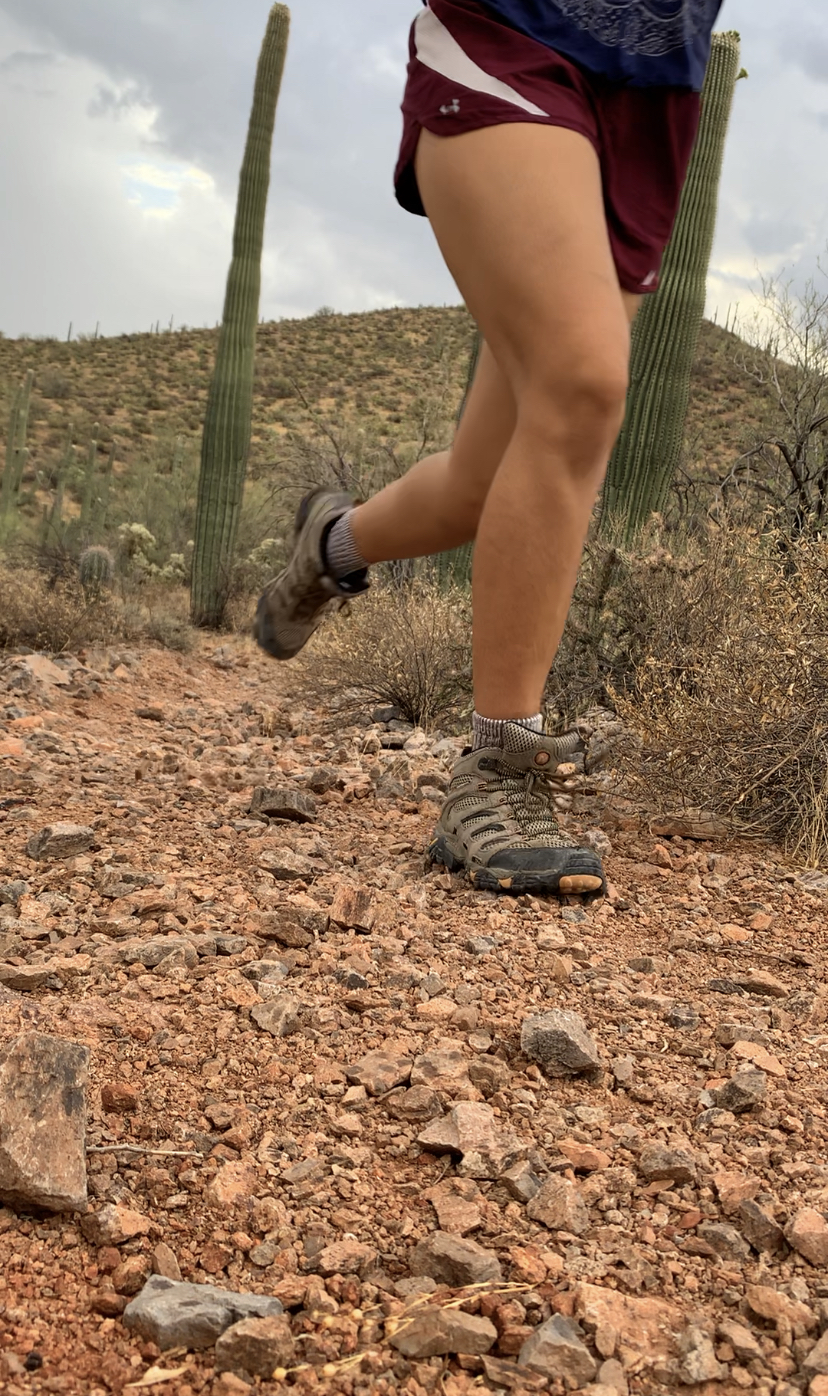
Prepared for November 7–8, 2026. Event-specific availability and instructions must be checked with the organizer. Featured photograph: Clarissa Savel, Wikimedia Commons, CC BY-SA 4.0; representative real trail-running photo, not a photograph of a listed Texas event.
