
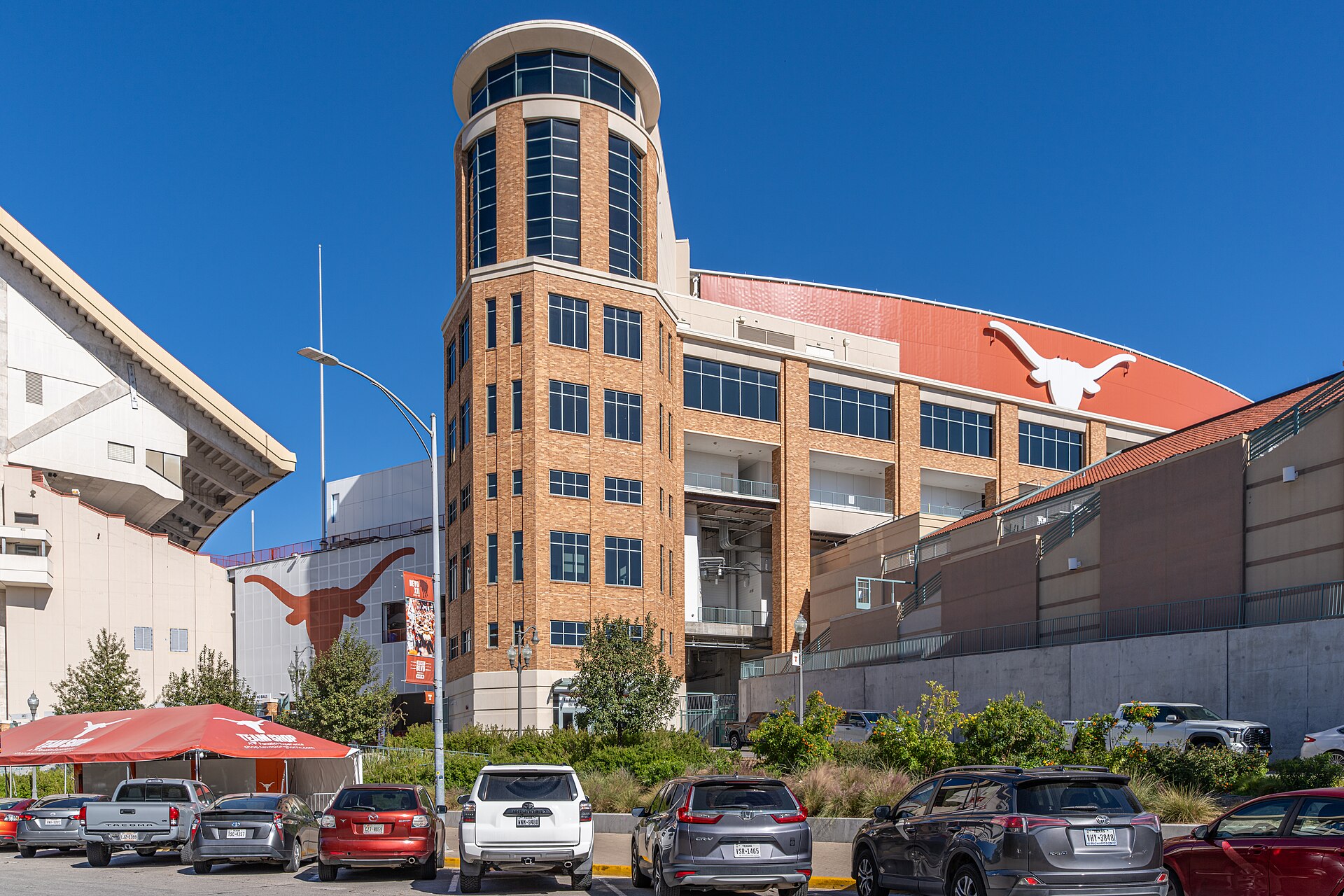
A 6:30 p.m. kickoff can be more deceptive than a noon one. Fans have nearly a full Saturday to fill—and plenty of opportunities to arrive at DKR exhausted or late. The University of Texas lists Ole Miss at DKR–Texas Memorial Stadium on October 24, 2026, at 6:30 p.m. Central, with the game assigned to ABC. The official game center also shows the game as sold out. Those are the facts to build around. A late kickoff makes the afternoon feel roomy, but it also creates the temptation to take on too much before reaching the stadium.
For visitors, this is not simply a question of finding the best pregame restaurant. It is a question of how to use the hours before a large crowd converges on central Austin, how to keep your group together, and how to get home after a late finish. The most enjoyable game day usually starts with fewer commitments, not more. Here is the plan for someone attending for the first time, for returning fans who want a smoother experience, and for Texans watching elsewhere.
First, lock down the actual appointment
Kickoff: Saturday, October 24, 2026, at 6:30 p.m. CT. Location: DKR–Texas Memorial Stadium in Austin. The university’s official game center lists ABC as the television network and shows sold-out ticket status. That last detail matters because it is easy for a search result or social post to promise seats without indicating whether the seller is official or authorized.
Keep kickoff, gate time, parking access and stadium policies as separate pieces of information. A 6:30 game does not mean the surrounding roads will be relaxed until 6:00. Neither does a sold-out listing mean every ticket listing you see online is fraudulent; it means you should be especially careful about the source, delivery method and transfer restrictions. Use Texas Athletics’ own links for current ticket and event instructions.
- Saturday, Oct. 24: Texas vs. Ole Miss at DKR–Texas Memorial Stadium.
- Kickoff: 6:30 p.m. Central; listed for ABC.
- Before departing: Confirm mobile tickets, parking assignment, gate and current stadium rules.
A Saturday itinerary that can survive real traffic
Start with one substantial daytime stop, not three. A leisurely lunch, a walk around campus or one neighborhood visit is enough before a major game. If you are coming from the suburbs or from San Antonio, budget for your trip into Austin to become noticeably slower close to game time. The last mile often matters more than the highway miles that got you there.
People sometimes create a beautiful itinerary on a map only to discover that moving the car between stops costs more time than visiting them. Pick a parking destination first. Then choose pregame activities that make sense on foot from that destination. If you need to use a rideshare, determine where drop-off and postgame pickup can actually happen under game-day traffic restrictions. Don’t assume the corner that works on an ordinary weeknight will work after a sold-out stadium empties.
An evening kickoff is an invitation to linger, but the least appealing part of a late arrival is how it steals time you cannot buy back. Finding your section, settling a group, getting refreshments and seeing the stadium fill are part of the experience. There is a huge difference between strolling in while the band and crowd build toward kickoff and racing through a concourse because traffic ate the buffer.
Families with younger children should protect their energy. A long afternoon of heat, walking and waiting can empty everyone’s enthusiasm before the first quarter. If you plan to tailgate, make sure you have food, shade as needed, water and a cleanup plan; you do not need elaborate cooking to create a memorable gathering. Consider a designated meetup point away from the most congested pedestrian streams.
Keep the DKR stadium guide in your pocket
Before setting out, open Thunderfoot’s DKR–Texas Memorial Stadium Map & Gameday Guide. That guide is built for questions this article cannot answer in a single paragraph: the stadium setting, parking strategy, arrival experience, traditions and other useful details for visiting fans. Keep it accessible on your phone.
After using the guide, check Texas Athletics’ official schedule and stadium notices for updates. Policies on entry, bags, tickets and restricted items should always come from the venue or team, not from a secondhand list that might have been written a season ago. A good independent guide helps you ask the right questions; the operator’s official information tells you what is in force for this specific Saturday.
What is worth watching on the field?
Texas and Ole Miss arrive with a matchup that has more nuance than the size of the crowd. Avoid the easy trap of predicting an outcome based on uniforms, stadium noise or a single previous result. Instead, pay attention to whether Texas can stay ahead of the chains on first down and whether Ole Miss can generate disruptive plays without leaving large openings elsewhere.
The game within the game is often disguised as field position. A punt that forces a long drive, a kickoff return decision that saves yards or a defense that keeps an offense behind schedule can do as much to determine the fourth quarter as a dazzling pass. Watching those choices makes a stadium afternoon more absorbing for fans who know football well, without overwhelming a friend who is still learning the basics.
One reason to attend Texas football in person is that the stadium has a personality a television picture cannot completely deliver. Crowd participation, school songs and the way a student section reacts to momentum are part of the evening. New visitors do not need to memorise every tradition on the drive in. It’s enough to know that these rituals matter deeply to the people around you and to participate respectfully.
If you’re bringing visiting Ole Miss supporters, welcome them without insisting that they adopt a home team’s customs. Rivalry and hospitality can coexist. A game-day article can tell you what time to arrive; it cannot give you every small moment that makes college football special. Leave space for the unexpected: a band performance, a shared conversation in a long line, or a surprising play that suddenly makes the whole stadium feel smaller.
The university lists ABC for this 6:30 p.m. start. Check local listings and your service before kickoff rather than trusting a week-old screenshot. Sports bars should be asked whether they will show the game, not simply whether they have televisions. If you intend to watch with a large group, reserve seating or arrive ahead of the rush according to the venue’s actual policy.
A backyard viewing plan can be simpler still. Good sightlines to a television, a comfortable sound level and food that doesn’t require someone to abandon the room every ten minutes beat elaborate decorations that nobody can see after dark. If you are exploring places to watch or meet friends, Thunderfoot’s Craft Drink Trails can help locate candidate establishments. Contact each venue to confirm game coverage.
The walk out is part of the plan
Evening games have a particular exit problem: everybody has spent hours anticipating the event, and once the final whistle blows, a great many people suddenly want to be somewhere else. That is when a loose plan can turn into a frustrating one. Decide before kickoff whether your group will leave immediately, wait for crowds to thin or meet at a nearby agreed point.
Do not rely entirely on cellular service or one person’s phone battery when reuniting friends. Choose a clear fallback location and make sure everybody knows it. If your parking area has a prescribed exit route, respect the direction of event staff rather than following an improvised shortcut. The easiest way to end a memorable Saturday badly is to let the last fifteen minutes become chaos.
Austin has plenty to do, which is exactly why a sold-out college football Saturday can become too ambitious. Want a non-football stop? Choose something that fits the geographic reality of where you will already be, and don’t build an itinerary dependent on perfect traffic. If you are arriving a day early, reserve your evening plans for Friday so Saturday can remain flexible.
Thunderfoot’s Austin Metro hub can be the jumping-off point for nearby activities, while the Event Planner is useful for discovering other options. Check the organizer of any event for current hours or access requirements before making it the center of your trip.
What could change between now and kickoff
A sold-out listing tells you something about demand, not the final score. Weather, parking arrangements, road closures and team availability can all change in the days before kickoff. What we know today is the date, stadium, kickoff, broadcast and ticket status shown by Texas Athletics. The on-field story will emerge once the teams play.
That restraint is also useful for practical planning. Parking offerings and transit arrangements can evolve. Game-day weather is worth checking closer to Saturday. A guide that pretends those moving variables are fixed four or five days out is less useful than one that tells readers exactly when to check again.
The quick version to save on your phone
Texas versus Ole Miss; Saturday, October 24; 6:30 p.m. Central; ABC; DKR–Texas Memorial Stadium, Austin. Plan parking and your walking route before you choose a pregame stop. Get tickets through trusted channels. Use the dedicated DKR guide for entrances and stadium context, and rely on official team announcements for last-minute changes.
Most of all, don’t mistake a later kickoff for unlimited time. One good daytime experience, a relaxed approach to the stadium and a clear plan for leaving will make this a better Saturday than trying to squeeze all of Austin into a single afternoon. Football is the anchor; the surrounding day should help you enjoy it.
Verified information
Official Texas–Ole Miss Game Center and 2026 Texas Football Schedule.
Featured photograph: ajay_suresh / Wikimedia Commons, CC BY 4.0. Image resized and cropped for the article.
