
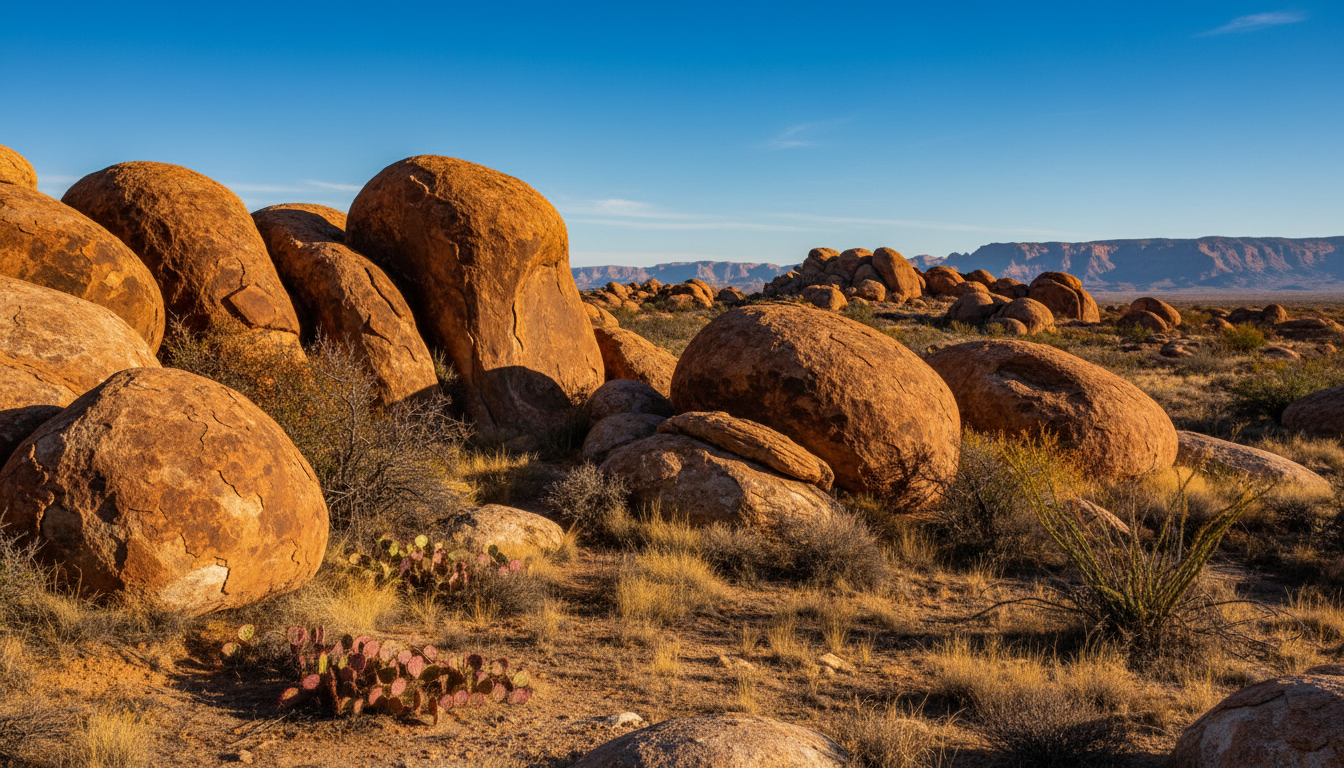
Most people know Hueco Tanks for the rocks. Climbers come from all over the world for the bouldering, and the huge rounded formations east of El Paso make for great photos. But this place has a much longer story. The natural basins in the rock caught rainwater in the desert, and people have been coming here for thousands of years. The paintings they left behind are still on the stone.
Once a year, the park opens up for a weekend that makes that story easy to explore. The 32nd Annual Hueco Tanks Community Fair is Saturday and Sunday, October 17–18, from 10 a.m. to 2 p.m. both days.
Why this weekend is special
On a normal day, Hueco Tanks limits how many people can come in, and you need a reservation. For the fair, the park says admission is free, no reservations are required and there are no capacity limits. If you’ve always meant to go and never planned far enough ahead, this is your weekend.
On the schedule: educational exhibits, hands-on activities, local food vendors, community partners, guided rock climbing, pictograph tours and hikes. The park is at 6900 Hueco Tanks Road No. 1, El Paso, TX 79938.
Pick your reason to go
For the history: Take a guided pictograph tour. Some of the rock art sites can only be visited with a guide, and this is the easy way in. Bring questions. How do they know how old these are? What do experts agree on, and what’s still debated? Why are some areas guide-only? You’ll get more out of it than just a photo.
For the climbing: Guided climbing is on the schedule, and you don’t need to be experienced to give it a try. Spots, gear and requirements will depend on the guides, so check in early and follow their lead.
For the family: Exhibits and hands-on activities mean the kids don’t have to hike all day to have a good time. A booth or two and a short guided walk might be perfect. Ask about terrain and age limits before promising anybody a specific tour.
Get there early
Four hours goes fast. If you roll in at 1:30, you’ll miss most of what’s going on. Plan to arrive near 10, pick two or three things you really want to do and leave time to talk with the rangers and volunteers.
Free admission doesn’t mean free lunch. Bring money for the food vendors, or pack your own. Some guided activities may still have limited spots or their own meeting points. If one tour is the whole reason you’re going, call the park at (915) 857-1135 first.
Leave it like you found it
The rock art at Hueco Tanks is fragile and can’t be replaced. Don’t touch the paintings, don’t cross barriers to get a closer look, don’t pick up artifacts and stay on the routes you’re allowed on. Something that seems harmless from one person adds up fast when thousands of people do it.
That goes for photos too. Ask before you photograph a site, and think twice before posting exactly where a sensitive spot is. Kids get this when you explain it: what happens if everybody touches the same painting? It’s a better lesson than getting scolded by a ranger.
Here’s a good question to ask any ranger you meet: what’s the hardest part of protecting this place? The answer will tell you a lot about why the rules exist, here and at every other Texas park.
What to bring
- Sturdy shoes for uneven desert ground
- Plenty of water
- Sunscreen and a hat. October in the desert can still be hot in the sun.
- A layer in case the wind picks up
If you’re climbing or hiking with a guide, follow their gear advice. If someone in your group needs accessible parking or an easier route, call ahead. Not every trail works for strollers or wheelchairs.
El Paso deserves more than a drive-through on I-10. Check our El Paso & Far West Texas page and the West Texas Event Planner for more, and the park’s official page for any day-of updates.
Why these rocks matter
Hueco Tanks is known to climbers because of its distinctive formations, but that reputation tells only part of the story. The depressions that hold rainwater have helped make this desert location meaningful over a very long span of human activity. Rock imagery and cultural associations demand more care than ordinary tourist scenery. A visit should begin with the understanding that you are entering a place of natural and cultural importance, not just a collection of interesting boulders.
A community fair can provide a welcoming introduction for people who might otherwise assume the park is only for serious climbers. Look for opportunities to hear from interpreters, community participants and people who know the area’s history. Do not attempt to interpret sensitive cultural imagery from a quick photograph or social-media caption. Listen first, ask thoughtful questions and respect the ways the site is protected.
How to plan for the desert
El Paso-area desert conditions can change substantially between morning, afternoon and evening. Check the local forecast, bring sufficient drinking water and wear sturdy shoes suited to rocky terrain. Sun protection is important even when the temperature feels comfortable. Families should be prepared for uneven ground and keep close track of children near rock formations. A memorable outing can quickly become unpleasant when somebody is dehydrated or wearing the wrong footwear.
Parking, entry, guided activities and access to particular areas may be managed differently during the fair than on an ordinary park day. Verify the event’s instructions rather than treating general park rules as a full event guide. If you are making a long drive, look for official updates about attendance limits or changes caused by weather. A free or special-access event may still have important arrival procedures.
A visit that is more than climbing
If your idea of a park outing usually means hiking a marked trail, give yourself permission to move more slowly here. Pay attention to the shapes of the rocks, the texture of the landscape and the signs of how scarce water defines a desert environment. Ask what makes the basins unusual and why people would have returned to a place like this. Those observations can be as rewarding as covering a long distance.
Photographers should be especially mindful of site rules. Never step into restricted areas for a better angle, touch pictographs or use climbing equipment where it is prohibited. Check whether drones, tripods or commercial photography require permission. The goal is to take home a memory without changing what future visitors have the chance to see.
Bring curious children, not a packed checklist
For school-age children, turn the day into a series of small questions rather than a lecture. Where would rainwater collect? What makes shade valuable? Why might a rock shelter matter? Why should a drawing on stone be protected differently from ordinary graffiti? These questions invite observation and discussion while allowing children to keep exploring at their own pace.
If your group includes younger children, prioritize short walks, frequent water breaks and activities intended for their age. Ask the park which fair programs are especially family-friendly. A child who has a good first experience in the desert is much more likely to want to return for a future outdoor trip.
What the community fair can change
Special events are valuable when they widen the audience for a protected place without undermining its care. They give local residents a reason to explore somewhere that visitors from far away may know better, and they connect recreation with stewardship. Notice the people and organizations making the event possible, not just the scenery.
Before leaving, consider what you learned that surprised you. It may be the site’s human history, the ecosystem or the everyday work involved in protecting it. A good park visit does not have to end with conquering a route. Sometimes it ends with a stronger sense of why a place should remain much as you found it.
Thunderfoot research note: Dates and schedules can change. Confirm with the organizers linked above before you head out. The image with this story is an illustration. It isn’t a photo of the fair and doesn’t depict actual rock art at the site.