
Updated October 27, 2026. South Texas birding does not require a lifetime of species lists or expensive camera gear. At Estero Llano Grande State Park in Weslaco, a guided walk on Wednesday, October 28 offers a welcoming entry into the wetlands and tropical habitat of the Rio Grande Valley. Texas Parks and Wildlife lists the World Birding Center Birding Tour for 8:30 a.m., with about two hours devoted to finding birds. The smarter itinerary is to build the morning around that guided experience, then explore an appropriate short trail on your own.
The event: Wednesday, October 28, at 8:30 a.m.
The park’s October 2026 calendar lists its World Birding Center Birding Tour at 8:30 a.m. Wednesday, October 28. The description welcomes all ages and experience levels on a two-hour outing, with a special emphasis on species associated with the Valley. That is a published start time, not a personalized reservation confirmation. Before leaving, open the official event listing and check meeting location, capacity, any registration requirement, accessibility details, park entry arrangements and last-minute changes. Arriving early gives you time to park, use restrooms, check the day’s trail status and get comfortable with the guide’s plans. Do not schedule a lunch stop immediately after the listed finish. Birding groups often move slowly because one excellent sighting can command everyone’s attention.
Why this park is worth the early alarm
Estero Llano Grande belongs to the World Birding Center network and protects a patchwork of wetlands, ponds, brush and wooded habitat that is distinct from an ordinary urban nature trail. TPWD says about 340 bird species have been documented at the park. That number describes the park’s cumulative biodiversity, not a realistic count for a single morning. The fun is in seeing how different birds use different habitat: waders searching shallow water, woodland birds moving through foliage and raptors passing overhead. You may spend several minutes studying one small bird before anyone identifies it. That is not a slow day. It is often the most memorable part of learning to notice more than just the biggest, brightest species.
Start with the tour, not a personal checklist
A good birding morning starts with listening. Introduce yourself to the leader, mention if you are new and ask how to share sightings without disrupting the group. Walk quietly, keep a little space around people using spotting scopes, and resist moving ahead for a better angle. If the guide points out a bird, watch with your eyes first, then bring binoculars up to your face without searching wildly. Focus on size, shape, behavior and habitat before insisting on a name. A simple list of three birds you observed closely is a better first goal than attempting to tick off dozens of unfamiliar species. Keep voices low and avoid playing recordings of bird calls, especially near sensitive wildlife.
Where to wander after the program
If everyone still has energy after the tour, choose one additional trail rather than trying to cover the entire park. TPWD lists Wader’s Trail at 1.16 miles, easy, with wetland viewing opportunities. The Tropical Area Trails cover about 0.74 mile through a mixture of planted and native vegetation, while the Llano Grande Hiking Trail is listed at 1.46 miles and follows a levee with water views. The short Alligator Lake Trail is only 0.1 mile, but the name is a reminder to stay alert near waterways and never approach wildlife. Confirm the exact routes with the visitor center and match the choice to the day’s sun, heat and accessibility needs. Trail descriptions can change and walking times are not guaranteed.
A few Valley birds to listen for
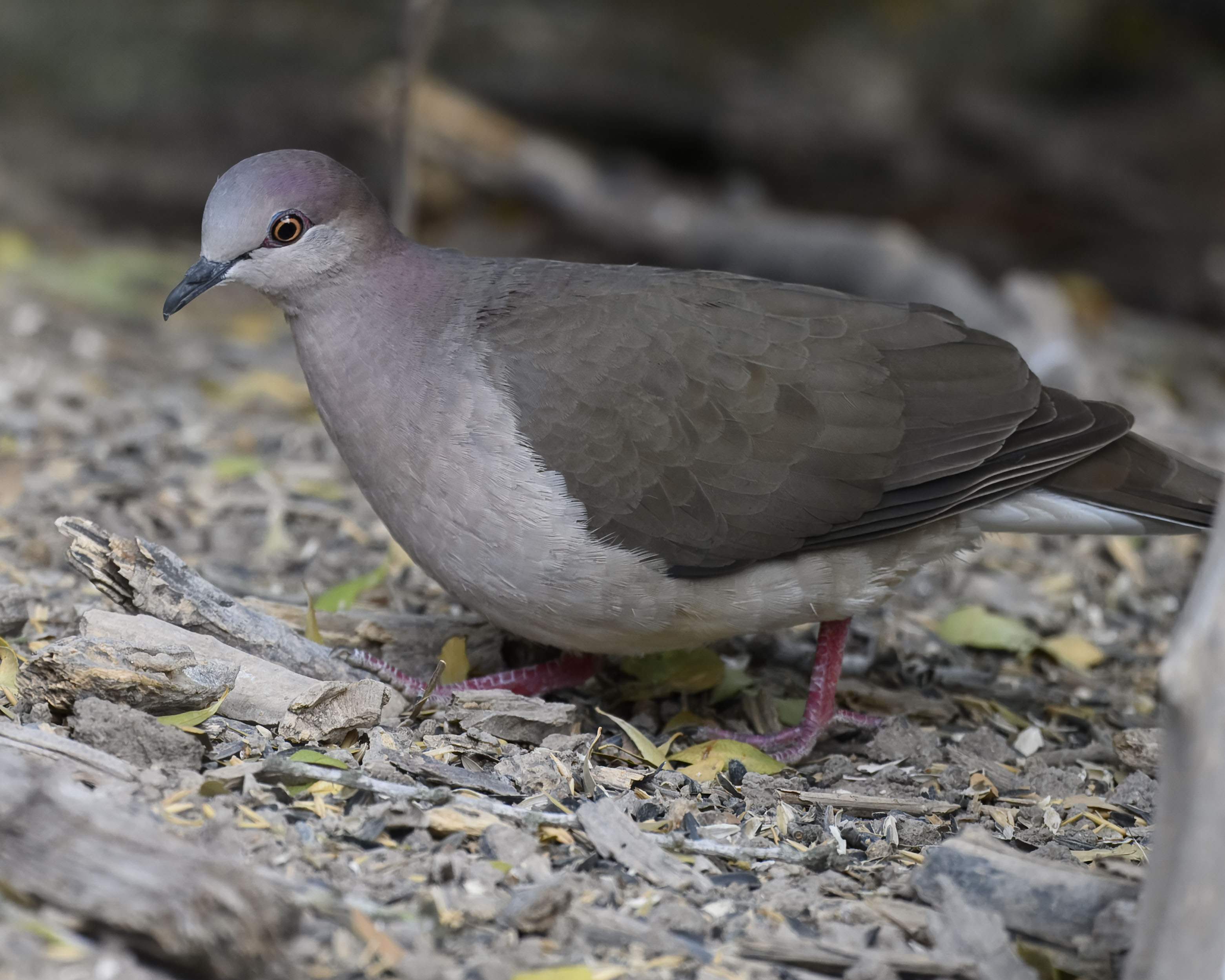
The park’s official birding information mentions species such as Green Jay, White-tipped Dove and Altamira Oriole in and around its wooded areas. Wetland habitats can attract egrets, herons and other water birds. These are examples of species associated with the park, not promises about October 28. If you are new to the region, don’t worry about recognizing every sound. Notice whether a bird is staying low in the brush, perching at canopy level, feeding on the water or circling above. Those details help both with identification and with remembering the experience later. Write down what you actually observed and look up the uncertain species when you return home.
What to bring for two hours outdoors
Pack binoculars if you have them, but do not cancel the outing if you don’t. A water bottle, brimmed hat, insect protection, closed-toe walking shoes and a small notebook will often matter more. Use a phone birding guide quietly if you prefer, keeping screen brightness and conversation considerate around other visitors. Bring sunscreen and more drinking water than the morning forecast makes seem necessary. A light long-sleeved layer can help with sun and insects even when it is warm. If bringing a camera, prioritize a comfortable walk over a heavy lens you are reluctant to carry. Families should pack snacks and plan rest stops. Food belongs in the bag, not scattered near wildlife or bird feeders.
Accessibility and the park’s car-free interior
An important feature of Estero Llano Grande is that ordinary visitor cars do not drive through the park’s interior; parking is available near headquarters. TPWD says about two miles of the trail network are wheelchair accessible, and the park offers all-terrain wheelchairs. Accessible does not mean every surface, program route or seating arrangement will meet every visitor’s needs. Call ahead to ask about the specific tour route, distance, rest options and availability of mobility equipment. The park also has decks and observation points that can work beautifully for visitors who prefer watching rather than covering miles. A short, comfortable outing that allows patient wildlife observation may be the best version of the day.
Know the wildlife rules before the boardwalk
This is real habitat, and it includes creatures beyond birds. The official park overview notes that visitors might encounter dragonflies, butterflies and even an alligator. Keep a respectful distance from all animals, especially near water. Stay on marked paths and observation structures, keep children nearby, and never feed wildlife. Bring water for yourself rather than assuming trail-side facilities will be available. Leave nests, feathers, plants and other natural objects where they are. A quiet pause often produces a better sighting than stepping off trail to pursue an animal. Treat the park as a living refuge, not as a backdrop that needs to be rearranged for a photograph.
A simple midweek Weslaco itinerary
Arrive with the tour time confirmed, park at headquarters and join the 8:30 walk. Around late morning, take a break for water and a snack, then pick one easy trail or observation deck recommended by staff. If the weather turns hot, end the walking portion and spend a few minutes comparing your notes. Lunch in Weslaco can wait until everyone has cooled off; verify restaurant hours independently. Those visiting from elsewhere in the Valley should allow extra driving time rather than rushing to make the start. Before departing home, check the program calendar and park alerts one final time. With a little planning, this two-hour introduction can become a far more rewarding first birding day than an improvised march through every trail.
Before you go: official sources
Photograph: lwolfartist, 2025, CC BY 2.0. Original and license.
