
Updated October 27, 2026. Caprock Canyons is one of the few Texas parks where the wildlife can make you stop your car before the hike even begins. The State Bison Herd roams this red-rock Panhandle landscape, and October’s cooler mornings tempt visitors onto the trails. But a good trip starts with two unglamorous details: staying well away from bison and reading the current water and facility alerts. Here is a realistic fall plan, built around the actual park rather than a generic canyon wish list.
Bison are the headline, but not a photo prop
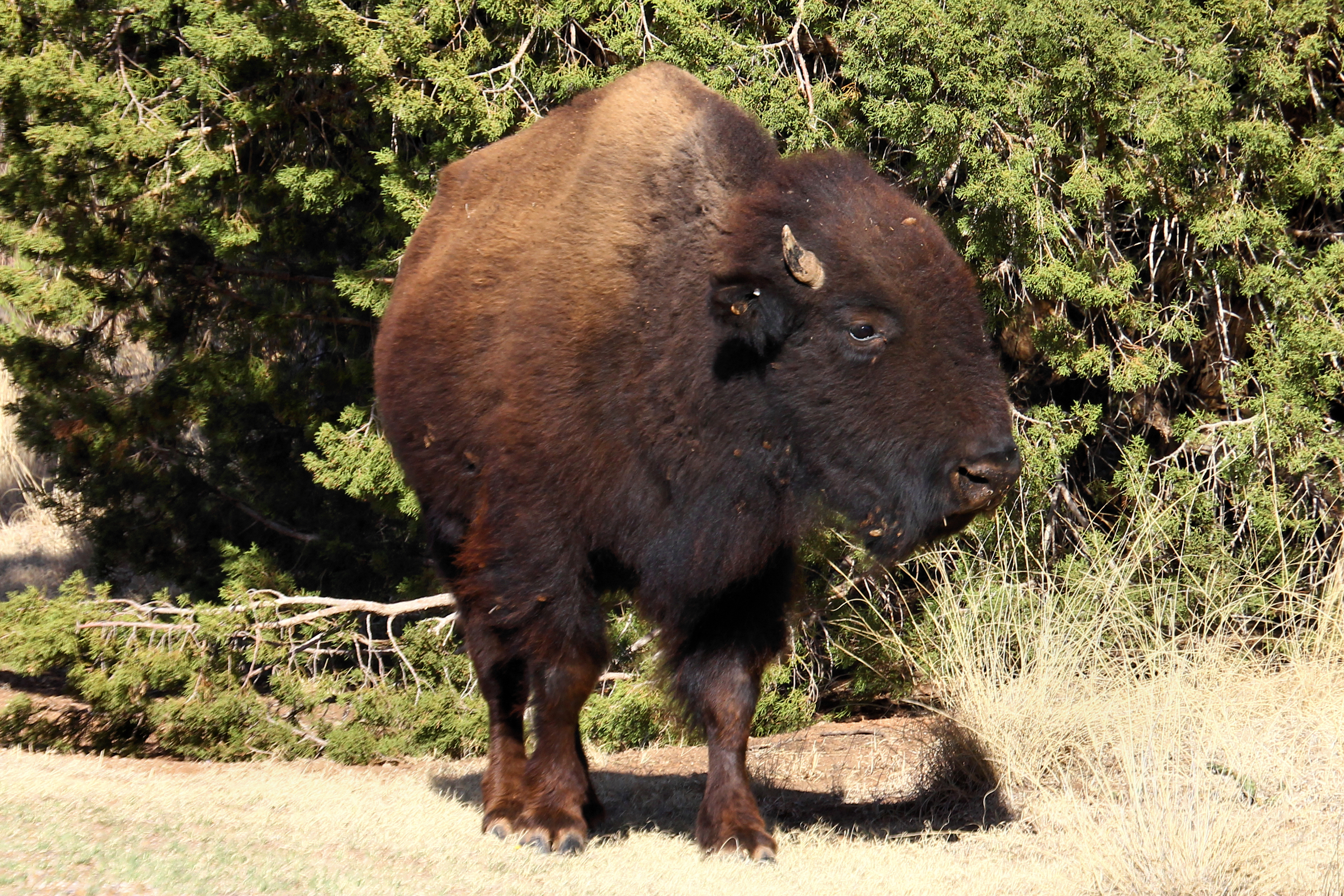
Texas Parks and Wildlife identifies Caprock Canyons as the home of the Texas State Bison Herd. These are large wild animals with their own movement patterns, not an exhibit that can be approached for a selfie. Park guidance requires at least 50 yards of separation between people and bison. That distance is a starting rule, not permission to crowd an animal that is showing agitation. If a bison occupies a road, wait. If one approaches a trail, give it room and adjust your route. Do not stand between a bull and cows, follow an animal, attempt to feed it or let a pet investigate. The park specifically warns that raised tails, pawing and lowered heads can signal agitation. Leave calmly and increase distance. Your best bison memory is watching them behave normally, not making them change course because you got too close.
The park alerts matter especially this fall
Before leaving home, open the park’s current alerts page. As of the October 27 editorial check, the page still reported low-water closures affecting Lake Theo’s boat ramp, fishing pier and designated swimming area. That means a plan centered on launching a boat or hanging out at those facilities needs a different destination. The alert also carries an elevated-nitrate water advisory affecting infants under six months, pregnant visitors and people with particular health concerns; those groups should plan to bring drinking water. Boiling does not remove nitrate. These details are easily missed in inspirational travel posts, yet they change what you pack and who can comfortably make the trip. Check the alert again on departure day, because staff may update conditions without a headline going viral.
A sensible first hike: Eagle Point
For a moderately active visitor, Eagle Point Trail is a strong place to start. The official trails table lists Eagle Point at 2.0 miles, about 1.5 hours, moderate, and describes a transition from plains to canyon terrain toward the Natural Bridge. Treat those numbers as a planning reference, not a promise of pace; stops for photography, temperature and trail conditions may add time. Ask the park whether its listed mileage is the exact route you intend to take and which trailhead makes sense. Carry the official park map, stay on marked routes and take turns in exposed stretches. If your party includes children, less experienced hikers or anyone not comfortable on uneven ground, choose one of the shorter, easier options instead of trying to prove something on a bigger ridge.
Why fall hiking still needs a heat plan
The Texas Panhandle can feel crisp at breakfast and exposed by midday. The canyon’s colors do not create shade, and the wind can disguise how much water you are losing. TPWD’s trail advice calls for generous water, suitable shoes and sun protection; it suggests a quart of water per hour of activity as a planning reference. Start early, watch the forecast and build a turn-around time before you leave the trailhead. Tell someone outside your group where you are going and when you expect to return. Do not count on having perfect cell service in every canyon fold. Carry a small first-aid kit, an offline map, snacks, a wind layer and an emergency plan. A short safe walk with time to enjoy the view beats a long hot march back to the vehicle.
Build the day around bison and red-rock views
Begin with a slow drive into the park, scanning roadsides for the herd without blocking traffic. Stop only in designated places, and use a longer camera lens if you want detail. Next, check in with staff about the chosen hiking route and any temporary closures. Spend the cooler part of the day on Eagle Point or another appropriate trail, allowing time to observe changes in the rock layers, prairie vegetation and canyon walls. Break for lunch in an approved day-use area rather than on a fragile hillside. If wildlife has moved into a trail corridor, accept that the animals get priority and switch to another approved activity. End with a final scenic stop when the light softens. It is a low-pressure itinerary that still makes room for surprises.
Mesa Trail, Haynes Ridge and the ambition trap
Caprock offers easy and demanding routes. The park describes Mesa Trail as an easier option and Haynes Ridge Overlook as very challenging. Those labels are not interchangeable. Strong hikers should consider weather, remaining daylight and how comfortable they are with steeper, rougher terrain before choosing the harder route. Families exploring their first canyon park will often get more from a relaxed scenic walk and a patient wildlife stop. Mountain bikers should note that the trails are multiuse and that the park advises only experienced riders to take the more difficult routes. Horse riders have their own access considerations. Whatever your activity, yield courteously, stay on designated paths, and avoid creating shortcuts that damage fragile slopes.
What to tell children about the herd
For younger visitors, explain the bison distance rule before anyone sees an animal. Fifty yards is roughly half a football field; from a family viewpoint, it is better to be farther away. Let children practice using the park’s “rule of thumb” distance check: hold up a thumb at arm’s length, close one eye and see whether the thumb obscures the animal. If it does not, you are likely too close. This is a quick illustration, not a substitute for the 50-yard rule or situational judgment. No running toward bison, no calling to make them look up, and no snack-sharing. Children who understand why wildlife needs space often become the most observant travelers in the group.
The Lake Theo mistake to avoid
Travel articles often list hiking, fishing, swimming and boating in one breath because the park supports several activities in ordinary conditions. This week’s alerts are a reminder that an activity being part of a park’s general description does not mean its facilities are available today. If your day depends on launching a watercraft, using a fishing pier or entering a specific swimming area, call ahead or choose a substitute. Treat the listed lake closures as real until the park states otherwise. Pack enough water regardless of whether you think drinking-water systems are functioning normally. A successful trip is about matching the day’s conditions to the right activities, not insisting that every item on an old checklist must happen.
Before you head toward Quitaque
Confirm a day-use pass or camping reservation if needed, read all current park alerts, download the trail map and check weather for the Panhandle rather than your home city. Choose a trail based on your actual group, bring water and know when you will turn back. Use the official park and bison pages for information rather than a viral photograph with no date. The October reward at Caprock Canyons is the combination of sweeping rock views and one of Texas’s most remarkable conservation stories. Give the bison their space, respect the trail, and you can enjoy both without turning an outdoor adventure into an avoidable emergency.
Official planning sources
Photograph by Larry D. Moore (2023), CC BY 4.0. Original image and full reuse license.
