
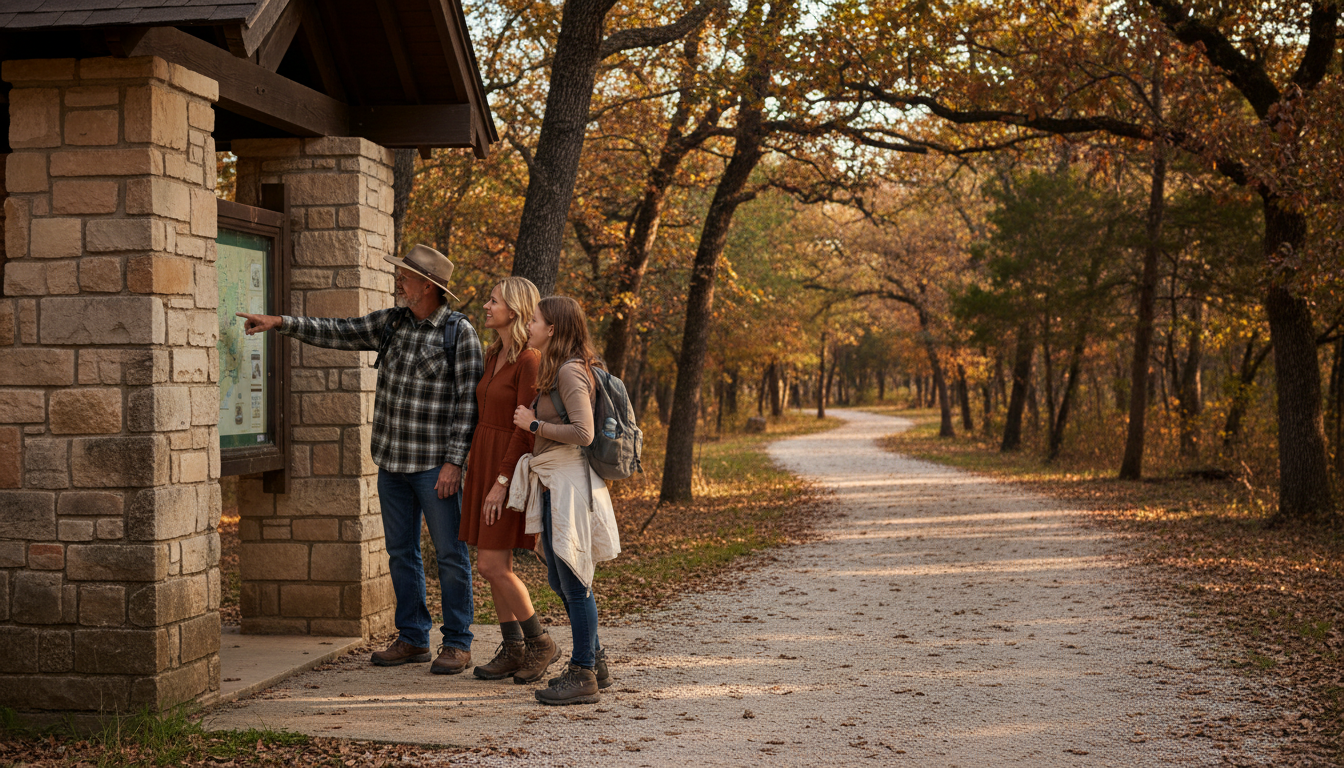
Is the $70 Texas State Parks Pass actually worth buying? Sometimes absolutely. Sometimes a handful of ordinary day passes is smarter. Here’s the real math, the restrictions people overlook and the kind of family that benefits most.
The $70 question every Texas outdoors family should ask
A Texas State Parks Pass costs $70 a year, according to Texas Parks and Wildlife. That sounds like a straightforward membership decision, but the real question isn’t whether your family likes the idea of getting outside. It’s whether you will actually use the parks often enough to justify the expense. The pass removes ordinary entrance fees for the holder and same-vehicle guests, with restrictions, but it doesn’t make every outdoor activity free. Camping, special activities and some facilities still cost money.
That distinction matters because the marketing promise can sound simpler than the actual decision. A family that visits one inexpensive park a year probably doesn’t need the annual pass for financial reasons. A family that enjoys taking several people to parks every month might find it pays for itself quickly. The best calculation comes from your likely trips, not an imaginary list of destinations.
Do the math with your own family
Start with the adult day-use fees at parks you actually expect to visit. If two adults enter a park charging $7 each, that is $14 in entrance fees for the day. Five such visits would total $70. If you take four paying adults in the same vehicle, the pass could become financially attractive in fewer outings. But not every park charges seven dollars, and children twelve and under commonly enter free, so your actual break-even point varies.
Don’t assume the pass is always the bargain simply because your vehicle is full. Count only people whose entrance fees would otherwise apply, consider whether the passholder will be present and check whether a park charges admission at all. The correct method is to compare actual likely costs over twelve months with the $70 purchase price.
What the pass actually covers
Texas Parks and Wildlife says the pass grants free entry for the cardholder and guests riding with them in the same noncommercial car or boat. The passholder must be present and show appropriate identification. The card is not transferable to a friend who wants to borrow it for an unrelated weekend. If you arrive by bicycle, motorcycle or on foot, the agency lists a different guest allowance.
These details are easy to overlook if one adult buys the pass but another usually takes the children on weekday trips. Think about which person should hold it. The named holder needs to accompany the group for its regular benefit. A secondary pass may be available for someone in the same household, at an additional cost and subject to conditions.
The biggest surprise: it doesn’t guarantee space
The pass removes applicable entrance charges. It doesn’t guarantee a place inside a park that has hit its capacity limit. Texas Parks and Wildlife explicitly warns that passholders can be turned away when parks reach capacity. That’s especially important for popular parks on weekends or school holidays.
Use the reservation system rather than planning around a card alone. Many state parks offer day-use reservations in advance, and some require a designated arrival window. The pass can be associated with your account so the entry benefit applies to a reservation, but you still need to plan early if your family has a specific date in mind.
Day passes have their own calendar
Texas Parks and Wildlife says day passes can be reserved up to thirty days ahead. Campground and other overnight reservations often open much farther in advance. The agency notes that some popular sites can fill months ahead, so a family targeting a particular school holiday should check the relevant booking window.
Don’t confuse reserving entrance with reserving a campsite, a cabin or a special tour. These may be separate transactions. If you’re arriving with a trailer or multiple vehicles, read the rules carefully. A successful weekend starts with matching your reservation to what you plan to do.
What about camping discounts?
The annual pass includes a benefit that many occasional campers overlook: a discount on the second consecutive night in the same campsite or regular screened shelter, subject to restrictions and blackout dates. Texas Parks and Wildlife describes the discount as fifty percent off that second night. It isn’t a blanket half-price deal on every camping reservation.
Consider how your family camps. If you often stay only one night, the benefit may not matter. If you like two-night weekend trips and meet the conditions, the savings can contribute to the value of the pass. Read the current rules before assuming that premium lodging, holiday dates or every site category qualifies.
The park store benefit isn’t a reason by itself
The pass also advertises a ten-percent discount on many retail and rental items sold in qualifying park stores. That is a nice bonus, but it is unlikely to justify the membership alone unless you purchase or rent equipment regularly. Some stores run through partnerships may not honor the benefit, so ask at the register.
Be wary of using a discount as a reason to buy unnecessary gear. A water bottle you already own is cheaper than a discounted new one. The strongest value of the pass is encouraging repeated, affordable access to places you genuinely want to visit.
Who’s probably a good candidate?
A household that regularly visits state parks in multiple Texas regions is a good candidate to examine the annual pass. So is a couple that enjoys weekend hikes and typically pays adult admission. A family with older teenagers who have moved beyond the free child admission threshold may also find its economics change.
Someone who only visits free-entry parks, has young children and rarely brings other paying adults might prefer buying ordinary day passes. The point isn’t that one family loves nature more. It is about matching a financial tool to the way you actually spend your weekends.
What if you qualify for another benefit?
Texas Parks and Wildlife also has Parklands Passport programs for qualifying seniors, people with disabilities, veterans and certain other groups. Those benefits differ from the regular annual pass and may be more appropriate for eligible visitors. Check the official eligibility details rather than assuming that the $70 standard pass is the only option.
A visitor who can receive reduced or waived admission through another program may not need an annual pass for entrance fees. It is worth taking a minute to read the specific rules before paying. The decision should start with the benefits you already qualify for.
A realistic example year
Imagine a family that plans two autumn day hikes, a spring birdwatching visit, a summer lakeside picnic and a holiday-season park outing. Compare entrance costs for each of those actual destinations, remembering that admission fees vary by park and the number of paying guests matters. Then add any legitimate camping discounts that apply to planned overnight stays.
If the total approaches or exceeds $70, the pass deserves serious consideration. If the estimate falls well short, buy day passes and reassess later. There is no advantage in purchasing a membership you only use once because the idea of a more outdoorsy year sounded exciting in October.
One good benefit you can’t measure in dollars
A pass can change the psychology of a weekend. When the entrance fee is already covered, it may feel easier to visit a nearby park for a short walk rather than waiting until you can justify an all-day excursion. That can encourage local exploration, especially for families living near several parks.
But you don’t need a pass to cultivate that habit. A simple reminder to check your nearest trails, an afternoon reserved for a picnic or a recurring family outing can work just as well. The card should support the habit, not stand in for it.
How to decide today
List five parks you’re likely to visit over the coming year. Check each official admission price and your usual number of paying visitors. Consider camping and rental benefits only where they honestly apply. Then compare the total against seventy dollars and decide which adult should be the primary holder. Check reservations and capacity before any specific visit.
Whether you buy the pass or not, use Thunderfoot’s regional guides and planners to discover outdoor options beyond your usual spots. A good Texas weekend is not defined by a membership card. It’s defined by getting outside with a plan that fits your family.
Official details and destinations
Review Texas Parks and Wildlife’s pass benefits, the day-pass reservation FAQs and Thunderfoot’s statewide activity guides before purchasing.