
An awareness walk doesn’t need a finish-line clock to matter. In Laredo this Saturday, the point is to bring people together, make disability inclusion visible and give neighbors a reason to meet one another outside their everyday routines. The Down Syndrome Association of Laredo is working with the city’s Parks & Recreation Department to hold its annual Down Syndrome Awareness Walk on October 24, from 10 a.m. to noon, at the Haynes Recreation Center. Participants are encouraged to wear blue and yellow, and the program includes activities that extend well beyond the walk itself.
A different kind of fitness event
Some walks are competitive events with pace groups, awards and a finish-time leaderboard. Others are designed around community connection. This Laredo gathering belongs to the second category. Its value isn’t measured by who completes the route fastest. It’s a chance for families, friends, neighbors and supporters to participate in a public event while learning from the people and organizations involved.
That distinction matters in how we write about it. The event shouldn’t be described as a race if no race is advertised, and it shouldn’t be framed as a test of courage or a sentimental spectacle. Participation can mean walking, supporting someone alongside the route, helping at an activity or simply turning out to learn about the association’s work.
For a newcomer, one useful goal is to introduce yourself to an organizer or family advocate and ask what kinds of local recreation opportunities make a meaningful difference throughout the year.
Why blue and yellow matter
Organizers have encouraged attendees to wear blue and yellow and to bring signs or noisemakers. Matching colors can create a sense of community without imposing a complicated dress code. But the people at the event are not all the same, and disability isn’t a single experience that can be summarized by a color scheme.
A respectful participant can show support while listening to individual experiences. If you’re making a sign, keep the message positive and avoid slogans that reduce people to a diagnosis. Emphasize inclusion, belonging, access and equal opportunities to take part in public life. Those ideas are broad enough to matter to everyone attending, and they leave room for people to define their own goals and identities.
Don’t worry about appearing in the most elaborate outfit. Comfortable shoes and clothing suited to the weather matter more for anyone planning to move around the event area.
What happens after the walk
Local reporting says the post-walk celebration will include painting, dancing, Zumba, music and information booths. That makes this more than a brief circuit followed by everyone going home. The activities create opportunities for people with different interests to join in, connect and learn about community resources.
Zumba and dancing can be joyful ways to move, but nobody should feel obligated to participate at the same intensity as somebody else. Events built around inclusion are strongest when people can take part according to their own comfort and ability. Some attendees may prefer watching the music or exploring an information booth rather than joining every activity.
Families should look for the current schedule and accessibility guidance from organizers before traveling. A report that lists activities isn’t a substitute for details about room locations, entry arrangements or any particular accommodations a visitor might need.
Public space should work for more people
An awareness walk provides an opportunity to think about what makes community recreation welcoming. The distance of a route is only one part of accessibility. Clear signage, accessible restrooms, safe surfaces, places to rest and communications that are easy to understand all affect whether people can participate comfortably.
Visitors shouldn’t assume another participant’s needs or offer physical assistance without asking. Respect privacy, personal space and an individual’s own way of communicating. If someone uses a mobility aid, that is part of how they participate, not an invitation for strangers to ask intrusive questions. If a family wants help finding an activity, direct them to staff or offer a simple question rather than taking over.
These habits matter beyond a single awareness month. A recreation center becomes more welcoming when all visitors learn to pay attention to access and inclusion as ordinary features of community life.
The story goes beyond one October morning
The Down Syndrome Association of Laredo has been involved in local advocacy and community awareness for years. A single walk may bring attention to the group, but the more useful question is what opportunities are available between annual events. Adaptive recreation, family support, social activities and opportunities for people to pursue their own interests can all be part of a community’s response.
Ask organizers how volunteers can participate in future programs, what resources families should know about and whether businesses can support accessible activities. Not every form of involvement requires a large donation or a public announcement. Showing up regularly, sharing trustworthy resources and making organizations easier to find can make a meaningful difference.
This is one of the reasons local events deserve space on a sports and outdoors website. Recreation isn’t limited to competitive athletics or people who fit an idealized image of fitness. Community participation is part of the outdoor lifestyle too.
Children can learn inclusion by participating normally
For a child attending with a parent, the best lesson may be simple: people with different abilities belong in the same parks, recreation centers and community events. There is no need to construct a dramatic explanation or encourage a child to treat another attendee as unusual. Model respect, introduce people naturally and encourage age-appropriate questions when they are welcome.
If a child wants to join dancing, painting or a group activity, help them follow the leader’s instructions and take turns. If they want to understand the purpose of the event, explain that the community is gathering to support inclusion and celebrate people with Down syndrome and their families. Keep the language factual and respectful.
A good public event allows people to meet as neighbors rather than reducing everyone to a role in somebody else’s lesson.
Practical planning for a Laredo morning
The event is scheduled for 10 a.m.–noon at Haynes Recreation Center. Check the actual location, parking instructions and any event-specific registration before leaving. The available announcement identifies the gathering but does not establish a ticket price or a detailed participant route, so we should not invent those facts in the interest of making an article sound complete.
Dress for the October forecast, bring water and decide whether your family will stay for the post-walk activities. If somebody in your group needs a particular accommodation, contact the city or association directly. The people operating the event are best positioned to explain what is available.
If you are coming from elsewhere in South Texas, plan the travel around a morning start rather than treating the walk as an open-ended afternoon festival.
A useful way to support without making assumptions
Ask what the organization needs rather than deciding on its behalf. One group may value volunteer time, another may need financial help, and an individual participant may simply want to enjoy the day without becoming the subject of an interview. Respect the difference.
If you’re taking photographs, obtain permission before making someone else’s participation part of your social-media post, particularly when children are involved. A crowd photograph doesn’t require treating individual families as public property. Be as thoughtful about sharing the event afterward as you are about attending.
An event can be both celebratory and purposeful without asking any person to become an inspirational symbol for strangers.
The weekend invitation
Saturday, October 24, 2026, 10 a.m.–noon, Haynes Recreation Center, Laredo. The Down Syndrome Association of Laredo and the city Parks & Recreation Department are organizing the walk. Participants are encouraged to wear blue and yellow; the announcement also describes music, dancing, Zumba, painting and community information opportunities. Check the latest organizer information through the city or association. Local event reporting is available in the Laredo Morning Times.
For other things to do nearby, explore Thunderfoot’s Laredo & South Texas Plains hub. A community walk is worth including alongside big stadium games and outdoor adventures because it reminds us that going outside together is about participation, not performance. The most valuable outcome may be a conversation or connection that continues long after everyone heads home.
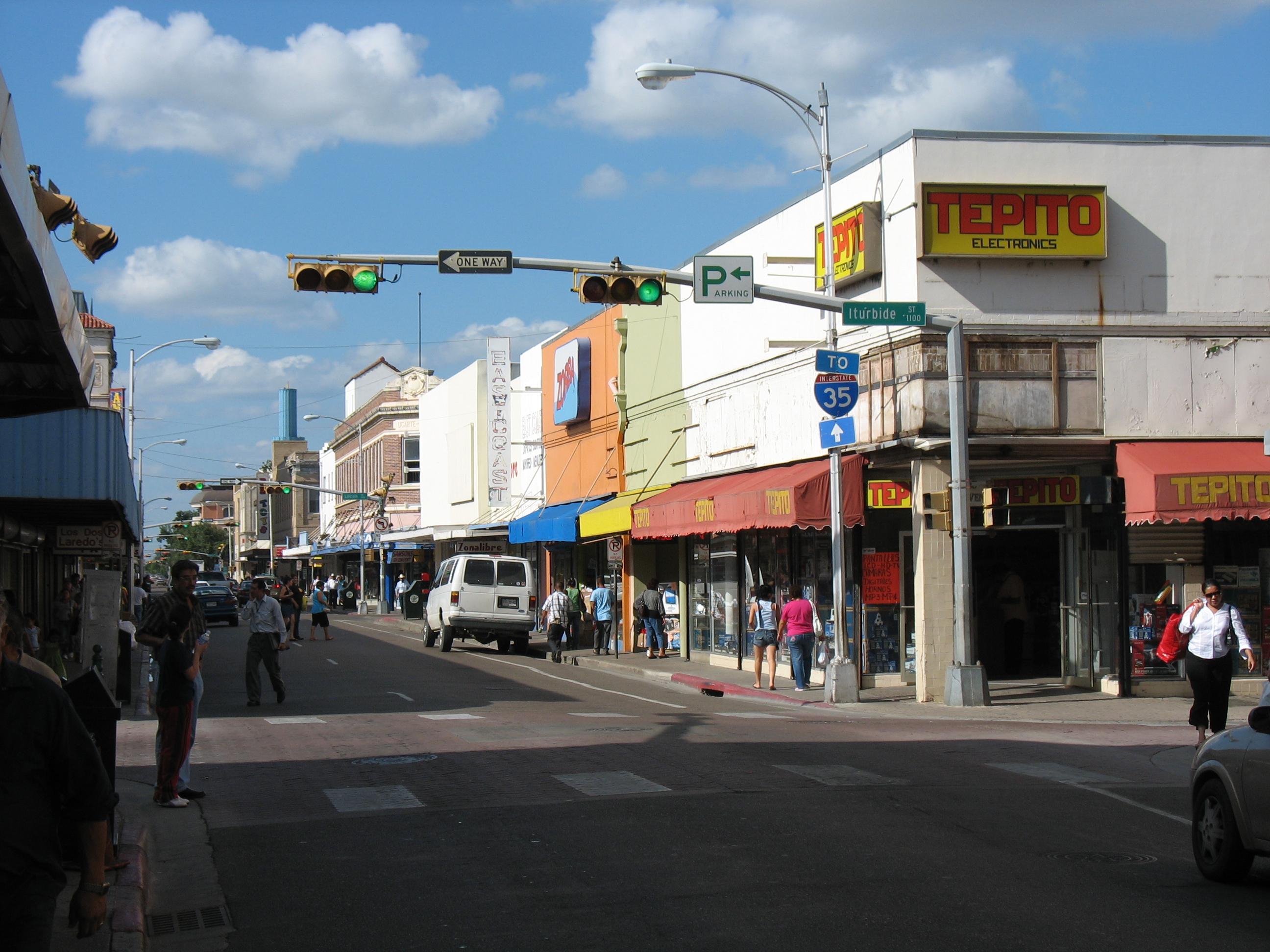
Featured photograph: Real downtown Laredo photograph (2009); this is NOT the Haynes Recreation Center or the awareness walk. Photo by Not home via Wikimedia Commons, CC BY-SA 3.0.
